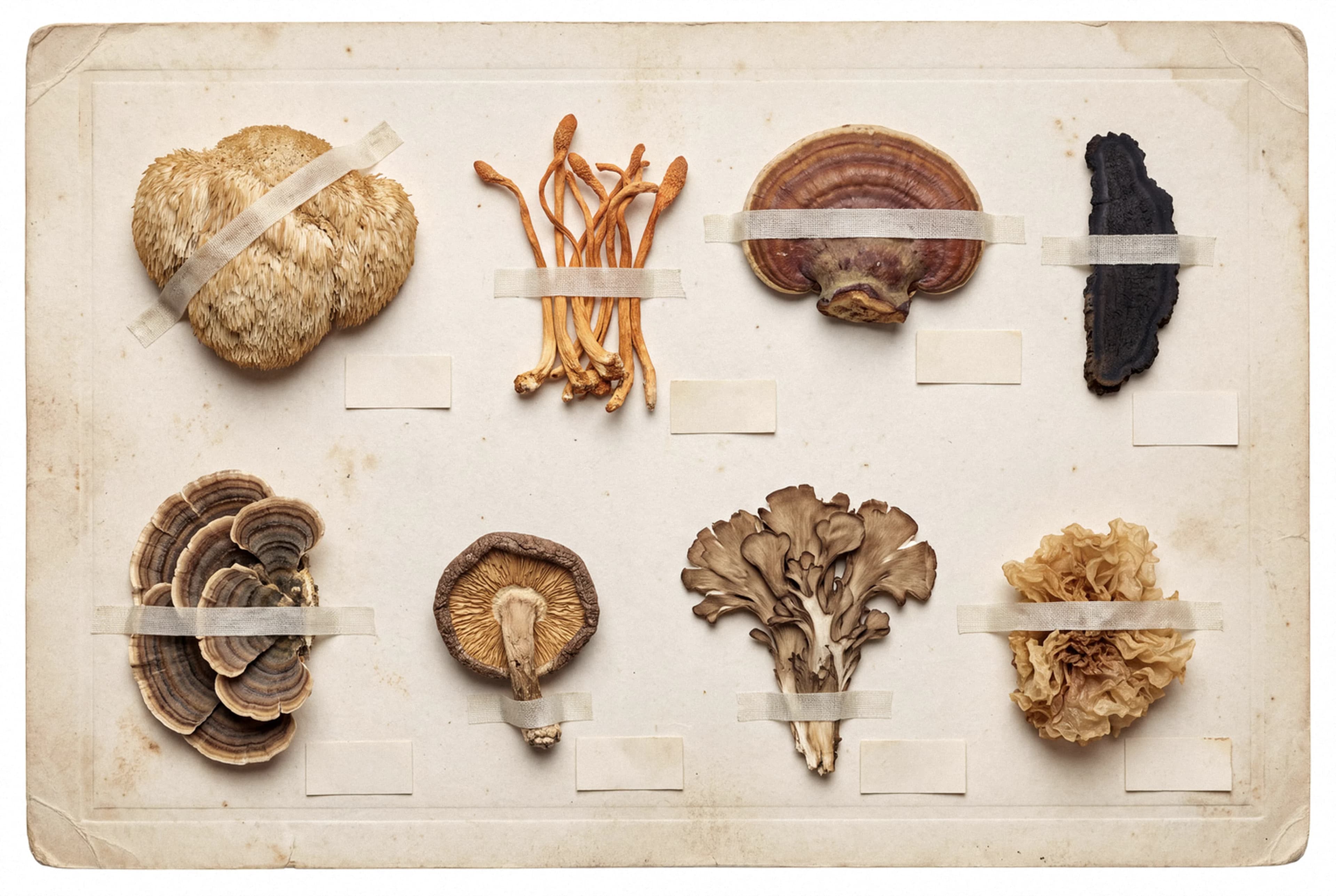
Renowned for their high doses of “adaptogens” — compounds that help the body manage stress — mushrooms such as lion’s mane, reishi, and cordyceps are increasingly taken in supplement form. Small surprise then that the global mushroom market is predicted to reach over $19 billion by 2030. But is this “shroom boom” mush ado about nothing? Or are functional mushrooms really as beneficial as they say? Below, we explain what functional mushrooms are, how they work, and what the main types to look for are.
What are Functional Mushrooms?
Functional mushrooms are fungi that have benefits beyond basic nutrition. We’re not talking about psychedelic properties. Instead, these mushrooms contain bioactive compounds that support everything from brain function and digestive health to immune modulation and stress resilience.
Often, there’s some overlap with culinary mushrooms. Lion’s mane, for example, has a lobster-like flavor. However, it’s consumed for its potential brain-boosting effects.
You’ll often hear functional mushrooms referred to by a bunch of different names: medicinal mushrooms, functional fungi, or mushroom supplements. Generally, they’re all referring to the same thing. The core similarity is that they’re used for health reasons, not flavor.
How Do Functional Mushrooms Work in the Body?
Functional mushrooms aren’t like drugs.
There’s not a single compound in them that is responsible for all their effects. Rather, these mushrooms contain a range of different compounds that yield the health benefits, sometimes working together.
Common medicinal compounds include:
- Beta-glucans — help support your immune system and keep your gut working as it should.
- Polysaccharides — play a role in overall health, from steady energy to how your body handles inflammation.
- Terpenoids/triterpenes — active compounds that are often linked to stress support, inflammation, and antioxidant protection.
Specific compounds influence different bodily systems either directly or indirectly. For instance, hericenones found in lion’s mane promote nerve growth factor (NGF) production, leading to nerve protection and proliferation.
The Most Common Functional Mushrooms
Lion’s Mane
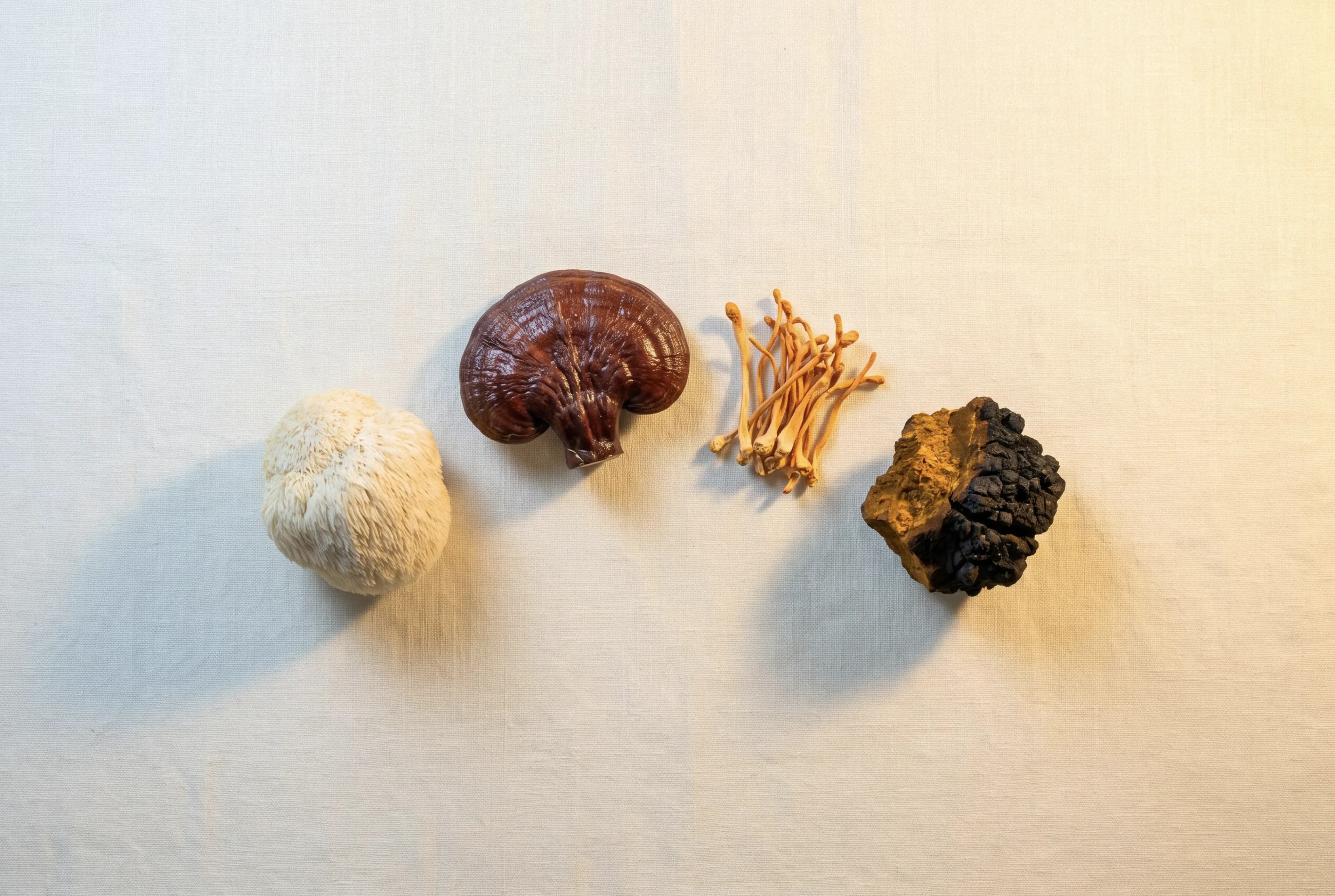
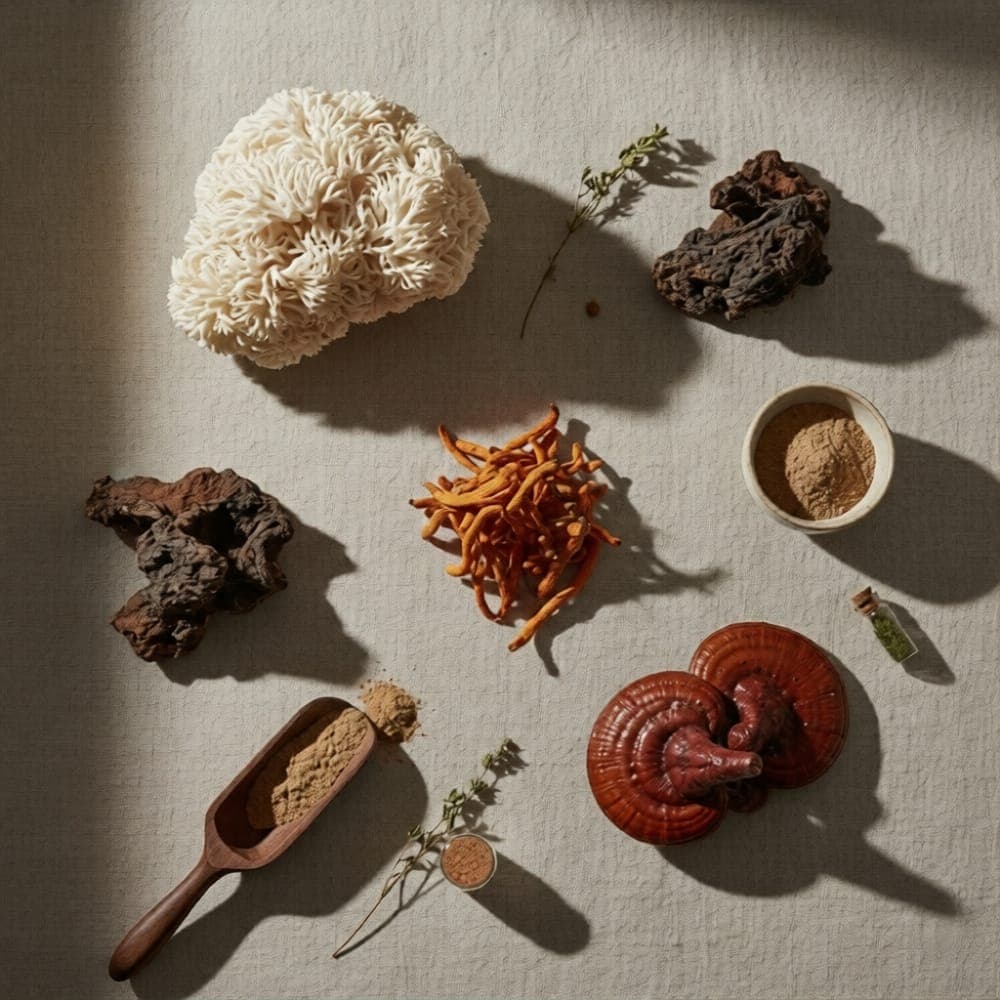
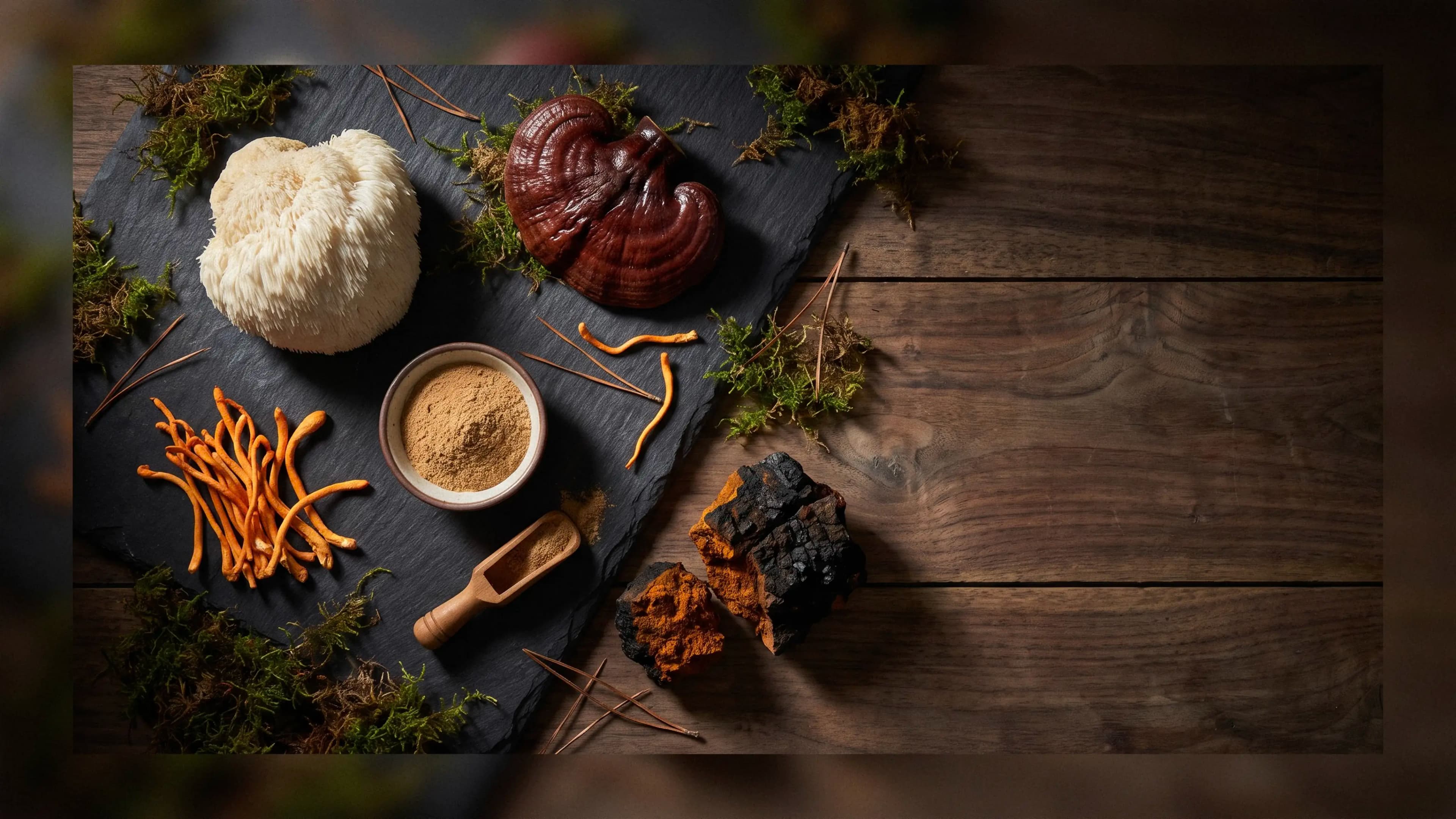
Lion’s mane (Hericium erinaceus) is the most popular functional mushroom. This shaggy, white mushroom may have neurotrophic properties, supporting brain function. It’s currently being studied for its potential neuroprotective effects, including early research on memory and cognitive support.
Other potential benefits include anti-cancer, anti-inflammatory, and anti-bacterial properties. It’s also rich in B vitamins, zinc, potassium, and iron.
Reishi
Reishi mushrooms (Ganoderma lucidum) are easily identifiable by their dark red-brown caps. Long used in Chinese medicine, a 2021 review identified therapeutic benefits for diabetes, heart disease, cancer, mood disorders, inflammation, neurological conditions, and even liver disease. However, the evidence is still in the early stages, and further research is needed.
But with elevated levels of vitamin E, C, and D (as well as B-vitamins), it’s likely to have some immune-boosting properties.
Cordyceps
The cordyceps fungus is one of nature’s most bizarre creations. The slender stem and little cap form out of insect larvae. Strangely, the fungus hijacks the insect’s nervous system, forcing it to climb to the highest point in the area before sprouting from its head to spread its spores.
As a master of life and death, it’s little surprise that the cordyceps mushrooms may have positive impacts on kidney disease, respiratory health, and several cancers. There are also lots of vitamin K and B vitamins.
Chaga
Chaga mushrooms (Inonotus obliquus) are something of the odd ones out. Unlike the other functional mushrooms, it appears more like a truffle, with a deep orange, almost-turmeric-like interior. This fungus is studied as a treatment for type 2 diabetes and cancer. The mushroom is studied for potential effects on cell growth, especially in breast cancer.
One review found it also has exceptional cholesterol-lowering abilities.
The downside? It contains extremely high levels of oxalate, which can lead to kidney stone formation. In the worst cases, oxalates cause kidney failure.
How are Functional Mushrooms Taken?
Functional mushrooms, like culinary mushrooms, can be eaten raw or boiled in tea. Traditionally, tea is the preferred method as the boiling water draws out the beneficial compounds.
The main problem is that fungal cell walls are made from chitin — the same substance found in crab shells. Tough to crack, most extraction methods fail to access the beneficial compounds inside each cell.
Cooking, teas, and even capsules and powders that don’t extract these compounds have some effect. However, they’re not as potent as extractions, especially dual extractions, which break down the cell wall.
Are Functional Mushrooms Safe?
Generally, yes.
Functional mushrooms were commonly used medicinally for centuries. In supplement form, they’ve been taken by hundreds of thousands (if not millions) of individuals without issue. The most common side effect is digestive discomfort: bloating or nausea. These symptoms are more likely to occur if the fungus is eaten raw or cooked.
There are a few issues to be aware of. Compounds in functional mushrooms can interact with certain medicines, such as blood thinners or immunosuppressants. It’s, therefore, best to check with your doctor first. They’re also not recommended for people with mushroom allergies or women who are pregnant (at least, not without medical advice).
A key factor is sourcing. Only buy functional mushroom supplements from reputable sellers who use quality materials and 3rd party tested extractions.
How to Choose a Good Functional Mushroom Supplement?
Selecting a good functional mushroom supplement comes down to a few simple checks. Look for:
- Products that use the fruiting body rather than just mycelium are usually more potent.
- How the mushroom has been extracted. Dual extraction is the gold standard.
- Anything with vague labels or long lists of fillers. This is an immediate red flag.
- Third-party testing. Ideally, the supplement should always be tested by a third-party lab.
- Dosage and serving size. It’s a good indicator of the concentration of beneficial compounds.
Want to Try Functional Mushrooms for Yourself?
If reading about functional mushrooms has sparked your interest, the next step is choosing a supplement you can trust. Lucetic’s range is made using properly extracted fruiting bodies, with no fillers and full transparency on what’s inside. It’s a simple way to explore functional mushrooms without guesswork.
Have a look if you’re curious — and start with the mushroom that matches what your body needs most.