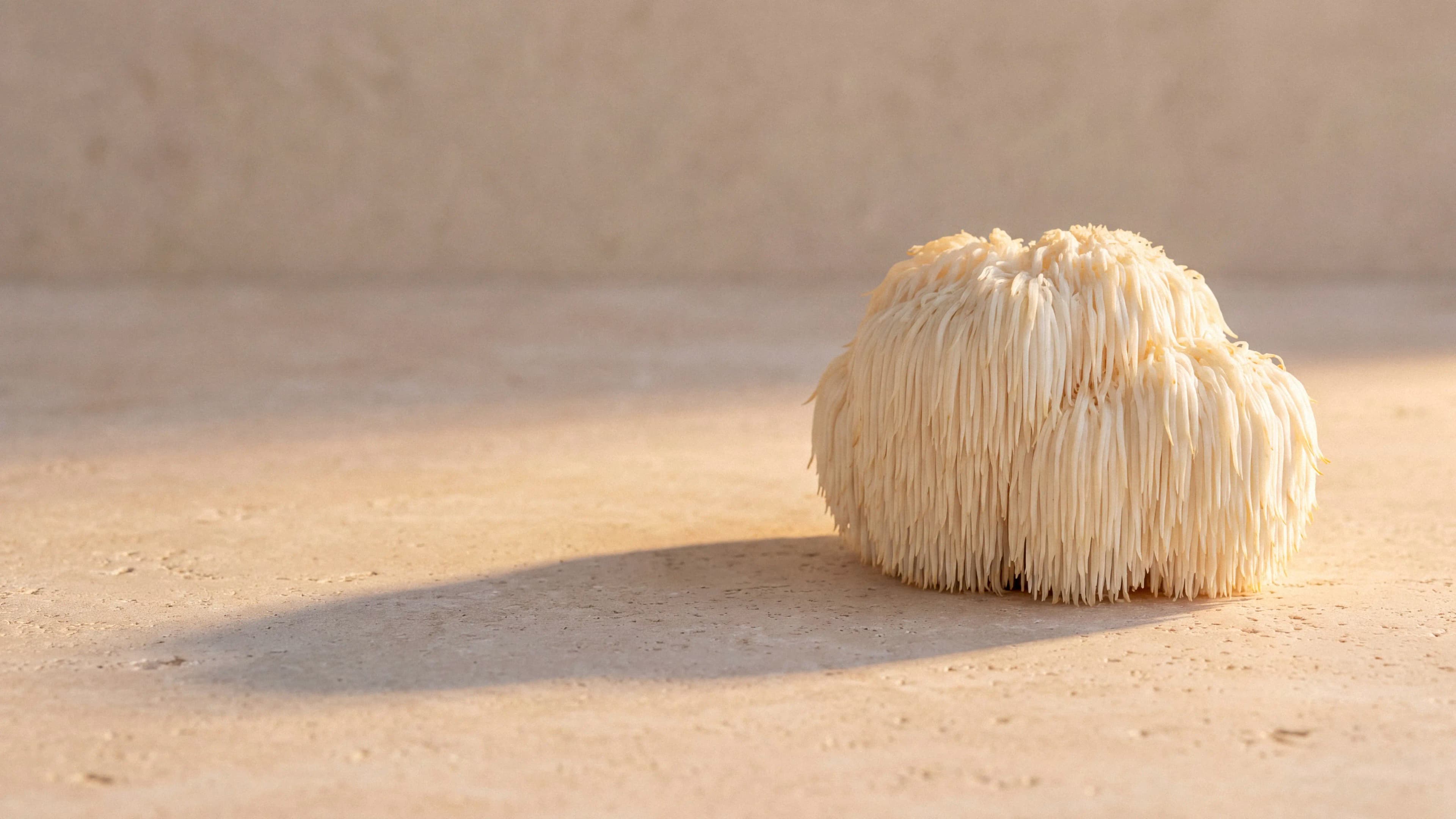
Also known as the bearded hedgehog mushroom, Lion's Mane has become one of the most talked-about functional mushrooms in recent years. You'll now find it in everything from powders and capsules to premium extracts like Lucetic's Lion's Mane Extract. It's best known for its potential to support brain health — particularly memory, focus, and long-term cognitive function — which is why it's often associated with age-related mental decline research.
Below, we cover what lion's mane mushrooms are, where they come from, and what health benefits you can expect (backed by science).
What Is Lion’s Mane Mushroom?
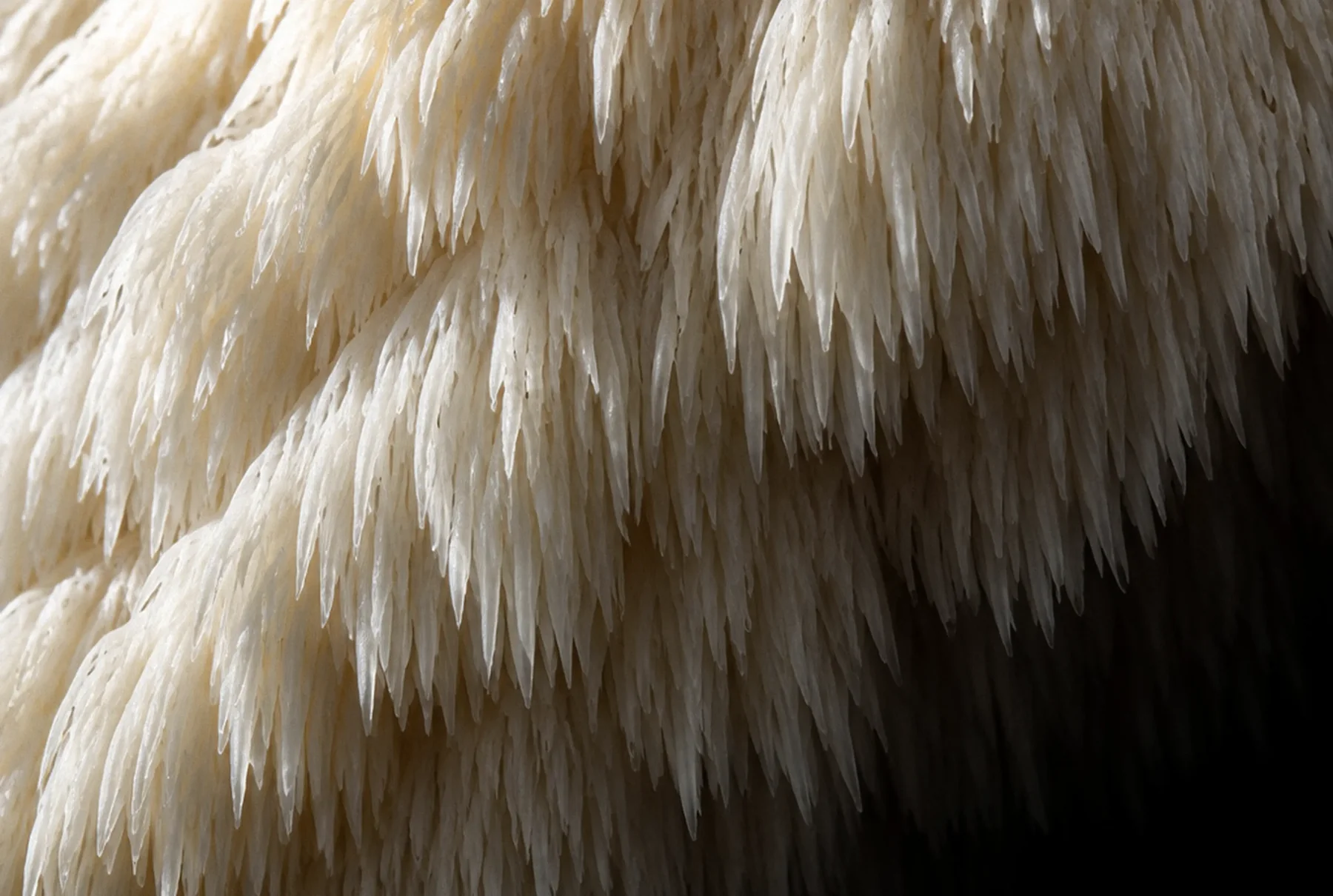
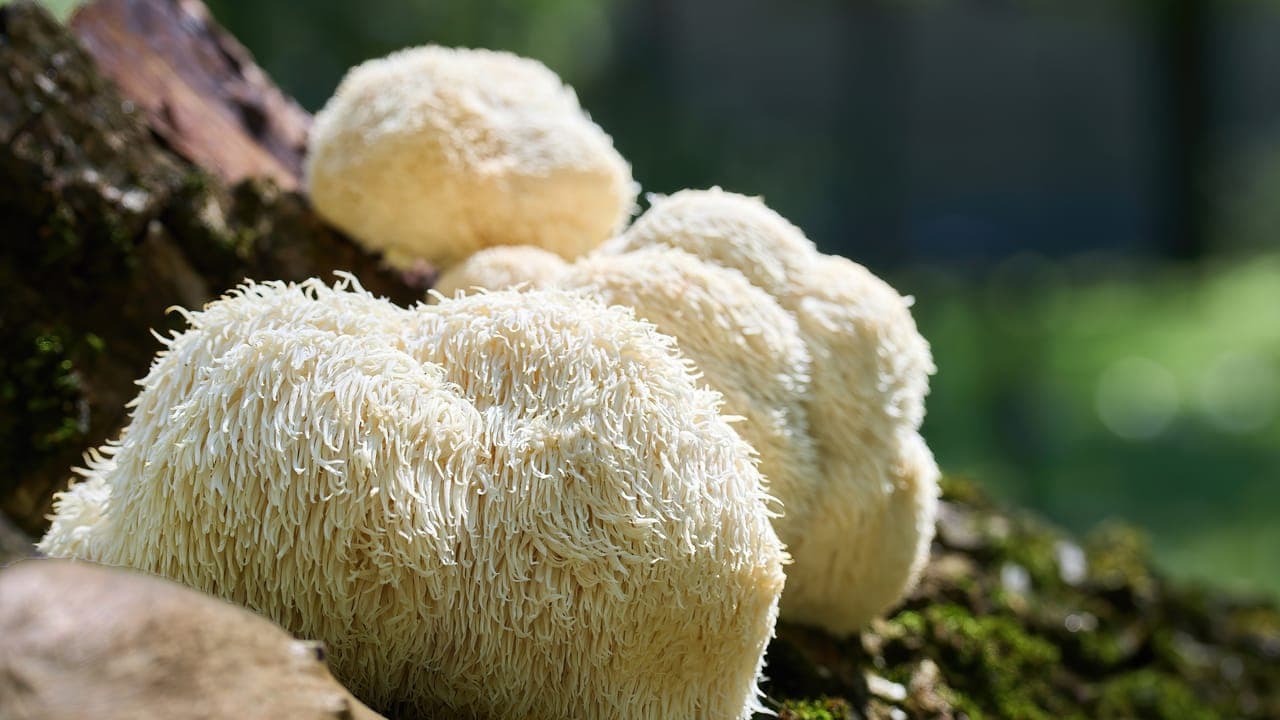
Lion's mane mushrooms are a big, shaggy, white mushroom that resemble a lion's mane. They're technically a family of three different species; however, Hericium erinaceus is, by far, the most widely available.
Historically, they were used extensively in traditional East Asia medicine and cuisine. With a flavor similar to seafood, they're eaten raw, dried, or cooked. Increasingly, they're consumed, not for their flavor, but for their health benefits. Supplements come in powder, liquid, and capsule form.
While lion's mane mushrooms are primarily eaten for the brain-boosting properties, they also pack an impressive nutrient profile. The mushroom is rich in thiamine, riboflavin, niacin, and essential minerals like manganese, zinc, and potassium.
Where Does Lion's Mane Come From?
These strange fungi are closely associated with East Asia cooking and medicine. However, they're actually found throughout the world.
Lion's Mane mushrooms are common in China, Japan, Korea, Europe, and North America. In the wild, they grow on oak, beech, and walnut trees. Whenever a tree wound occurs, lion's mane enters the tree, causing a white pocket rot. As the tree decays, it forms a cavity, and in autumn the fruiting body occurs — this is the mushroom.
In the East, lion's mane was first cultivated at scale. There, wood logs and stumps are used. Both Chinese medicine and Japanese herbal traditions integrated lion's mane into their practices.
What Does Lion's Mane Mushroom Do in the Body?
Look up "What is Lion's Mane mushroom?" and you'll quickly spot the problem: lots of claims, very little explanation. What's actually behind the health benefits? The truth is that lion’s mane works through a handful of well-studied bioactive compounds, not vague “superfood” magic.
Lion's mane's effects are down to two main ingredients:
- Hericenones – compounds found in the mushroom itself that are linked to brain support, particularly memory and mental clarity.
- Erinacines – found mainly in the root-like mycelium, these are thought to play a role in supporting the nervous system and long-term cognitive health.
Most supplements exclusively use the fruiting body, meaning that hericenones provide the majority of the benefits. This family of eleven compounds (Hericenone A-K) promotes nerve growth factor (NGF) synthesis. NGF promotes nerve survival, nerve growth, and regulation of the immune system (including mediating inflammation). Together, it's likely why lion's mane is so closely associated with brain health. And because the nervous system is deeply connected to digestion and the immune system, the mushroom has indirect benefits for these systems as well. In fact, the latest research points to the "gut-brain axis" — a bidirectional communication network that influences everything from your mood to immune function.
Health Benefits of Lion's Mane Mushroom
Cognitive Function and Memory Support
Lion's mane was historically taken as a boost to brain function. It's not just superstition. Animal models suggest that this functional mushroom has benefits for Alzheimer's disease, Parkinson's disease, and memory loss. But while that's positive, it's not conclusive. There's minimal evidence in humans. One study in adults with mild cognitive impairment found that three grams of lion's mane per day was linked to higher cognitive scores compared to participants taking a placebo. Scores later dropped four weeks after lion's mane was stopped, indicating a real connection. Another small trial of people with mild Alzheimer's disease taking 1.05 grams per day saw improvements in cognition and activities of daily living (ADL). One potential mechanism is a slowdown in neurodegeneration, or the loss of nerve cells.
Nerve Regeneration Support
You might imagine the real benefits of lion's mane are in nerve recovery. After all, that's where hericenones have a major effect.
You'd be right. People with brain or spinal cord injuries often deal with paralysis and a loss of mental functions. It can be quite debilitating and require ongoing support.
Lion's mane mushroom extract may have the potential to aid in recovery, stimulating the growth and repair of nerve cells. Patients with stroke also struggle with nerve damage. Lion's mane may help with reducing brain damage after a stroke, though evidence is minimal at present.
Mental Well-Being and Mood
Perhaps one interesting potential benefit is the effects on depression and anxiety. Both these conditions are associated with serotonin, a neurotransmitter that regulates mood. Indeed, most antidepressants work primarily on serotonin.
Edible mushrooms like lion's mane contain 5-hydroxy-L-tryptophan, a serotonin precursor. Little surprise then that small, preliminary studies indicate that taking lion's mane for four weeks reduced depression and anxiety symptoms.
Another fact might be the anti-inflammatory effect. Inflammation is linked to depression. In mice, lion's mane mushroom extract has an anti-inflammatory effect that can relieve anxiety and depression symptoms. It's theorized that it works by improving hippocampus function, a region of the brain that processes emotions and memories.
Digestive Health and Inflammation
We already mentioned the gut-brain axis. But lion's mane has a more direct effect on the stomach.
Firstly, it appears to protect against the formation of stomach ulcers. Ulcers are caused by the overgrowth of the H. pylori bacteria that damages the lining of your stomach. They're often linked to the long-term use of NSAIDS, e.g., ibuprofen or naproxen. Lion's mane may inhibit H. pylori growth, thereby preventing ulcer formation.
Other digestive benefits include improved symptoms and quality of life in people with ulcerative colitis and lower blood sugar levels in both normal and diabetic mice.
Immune System Support
Many of lion's mane's effects are mediated by the immune system. Constant infections increase inflammation, lower mood, and degrade the body's functioning.
Lion's mane may stimulate the immune system — in one case, it quadrupled the lifespan of mice injected with a lethal dose of Salmonella bacteria.
Is Lion's Mane Safe?
In short, yes.
Lion's mane is considered safe when consumed in sensible amounts. It's been used in food and traditional medicine for centuries, and modern supplements are generally well-tolerated if correctly manufactured.
Sometimes, people experience mild side effects such as bloating or nausea. However, these symptoms are usually associated with the mushroom itself rather than the extract. If you're allergic to mushrooms, Lion's mane may not be suitable for you. Always stop if you notice any unexpected symptoms.
We recommend avoiding Lion's mane supplements if you're pregnant or breastfeeding. If you have a chronic medical condition, speak to your doctor before using Lion's mane supplements.
There's some concern about psychoactive properties. Lion's mane is not associated with hallucinations or altered cognitive states. It is not a psychedelic mushroom.
Ready to Try Lion's Mane for Yourself?
Reading about Lion's Mane is one thing — seeing how it feels in your own routine is another. If you decide to give it a go, it's worth choosing a supplement that's been made properly, with no shortcuts and no fillers. Lucetic's Lion's Mane Extract uses a dual extraction method to get the most out of the mushroom and is made with a focus on quality rather than hype.
Have a look if you're interested and start simple. Your brain will tell you the rest.
View Lucetic's Lion's Mane Extract
Further Reading
- Lion's Mane Mushrooms: What Are The Benefits? | Webmd
- Lion's Mane: Benefits and Nutrition Profile | Verywell Health
- Lion's Mane Mushrooms: Uses, Benefits, and Side Effects | Medical News Today