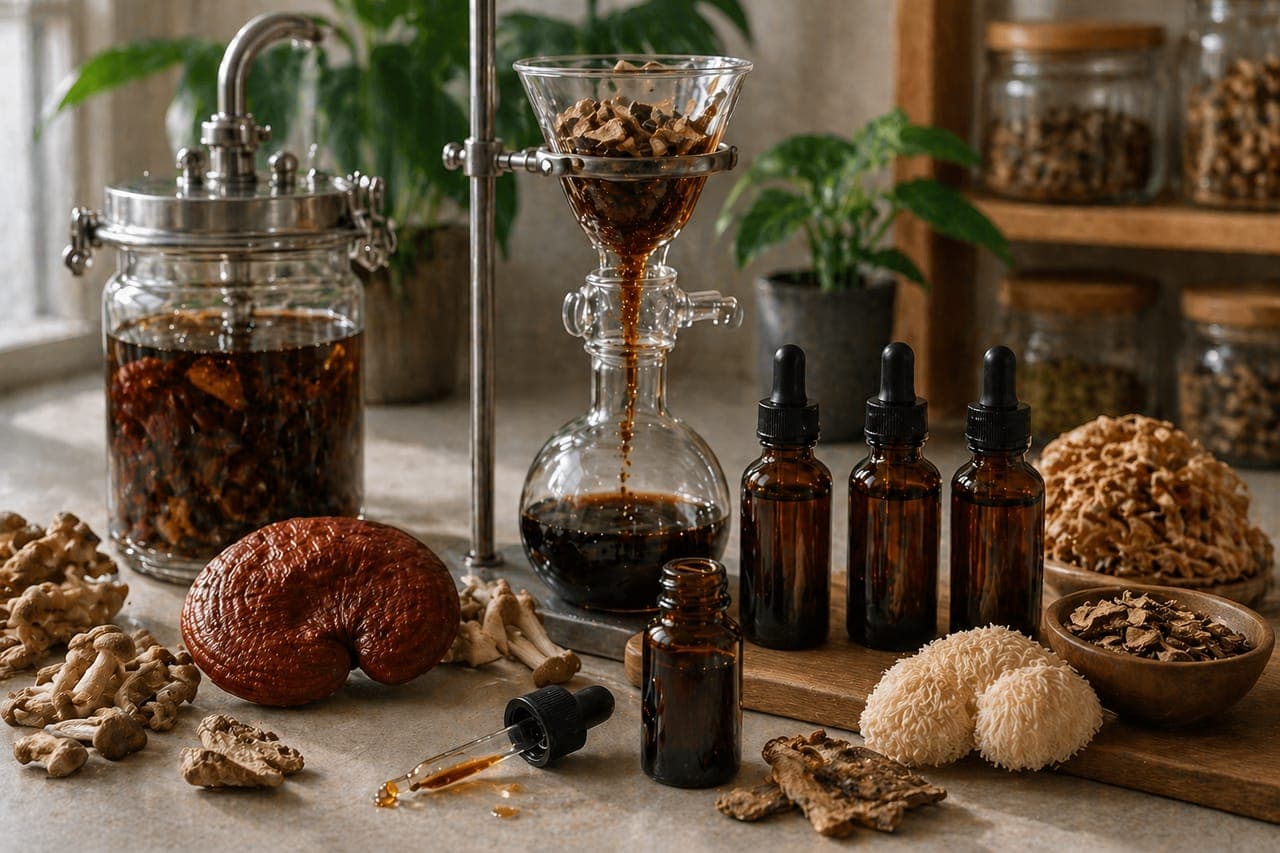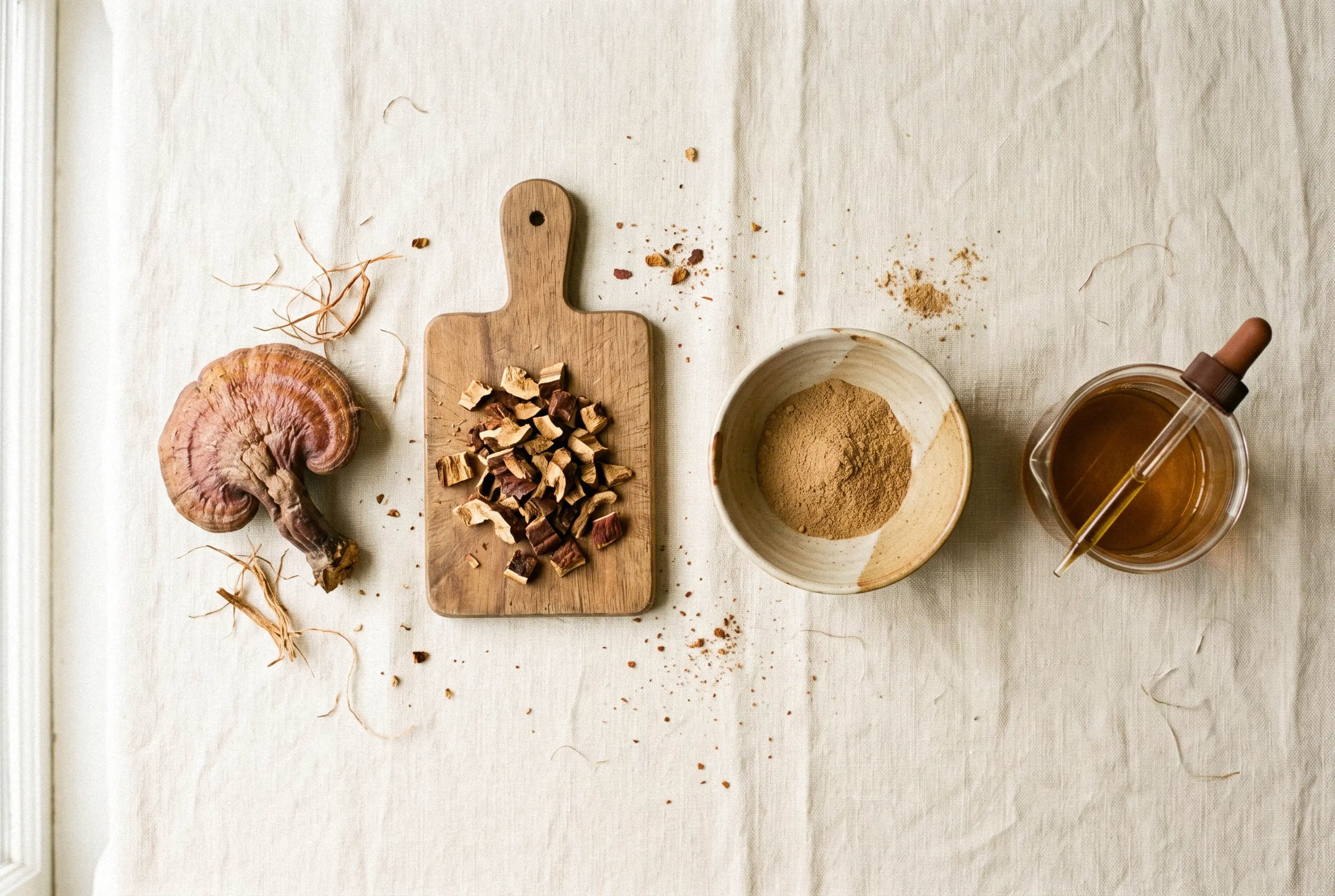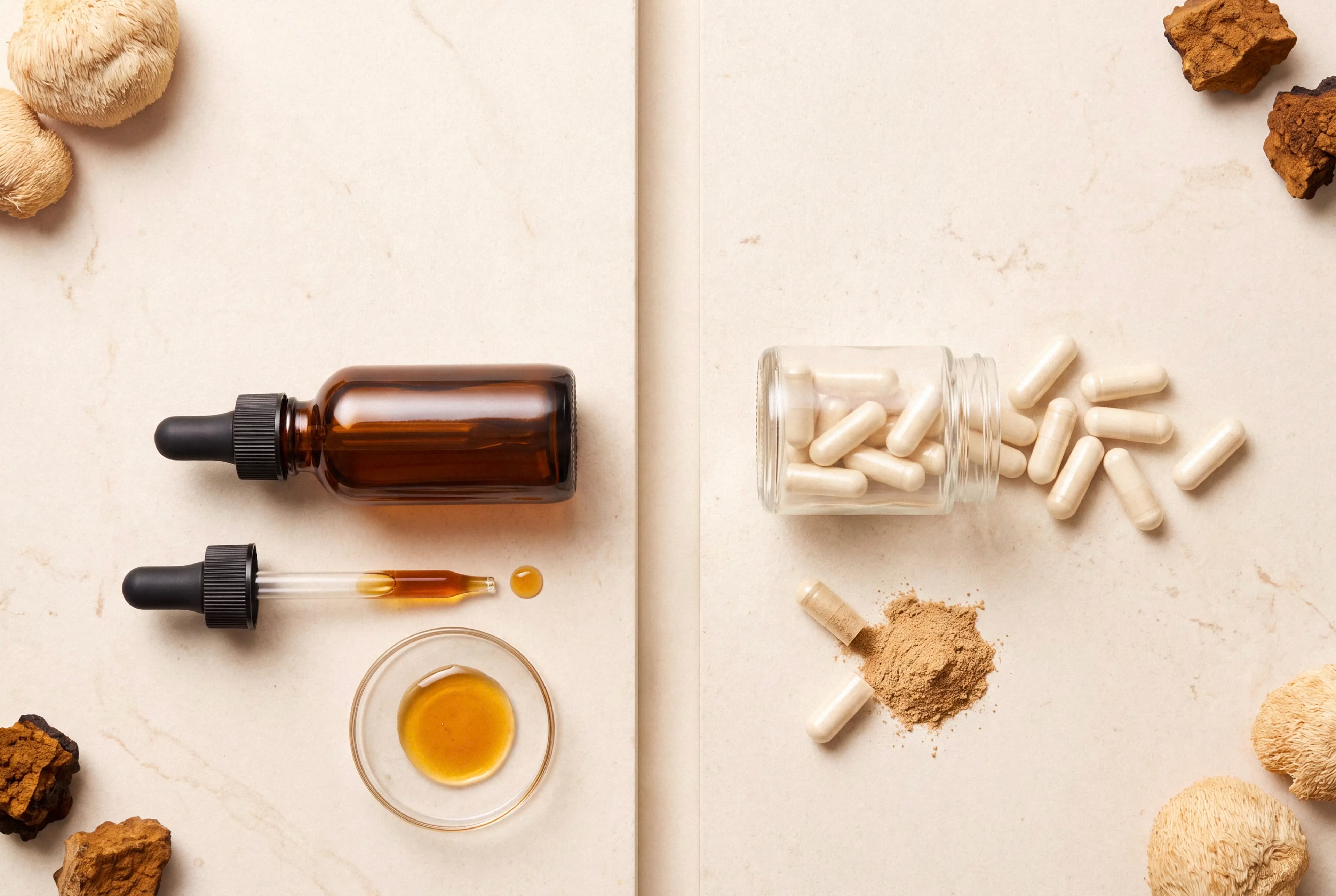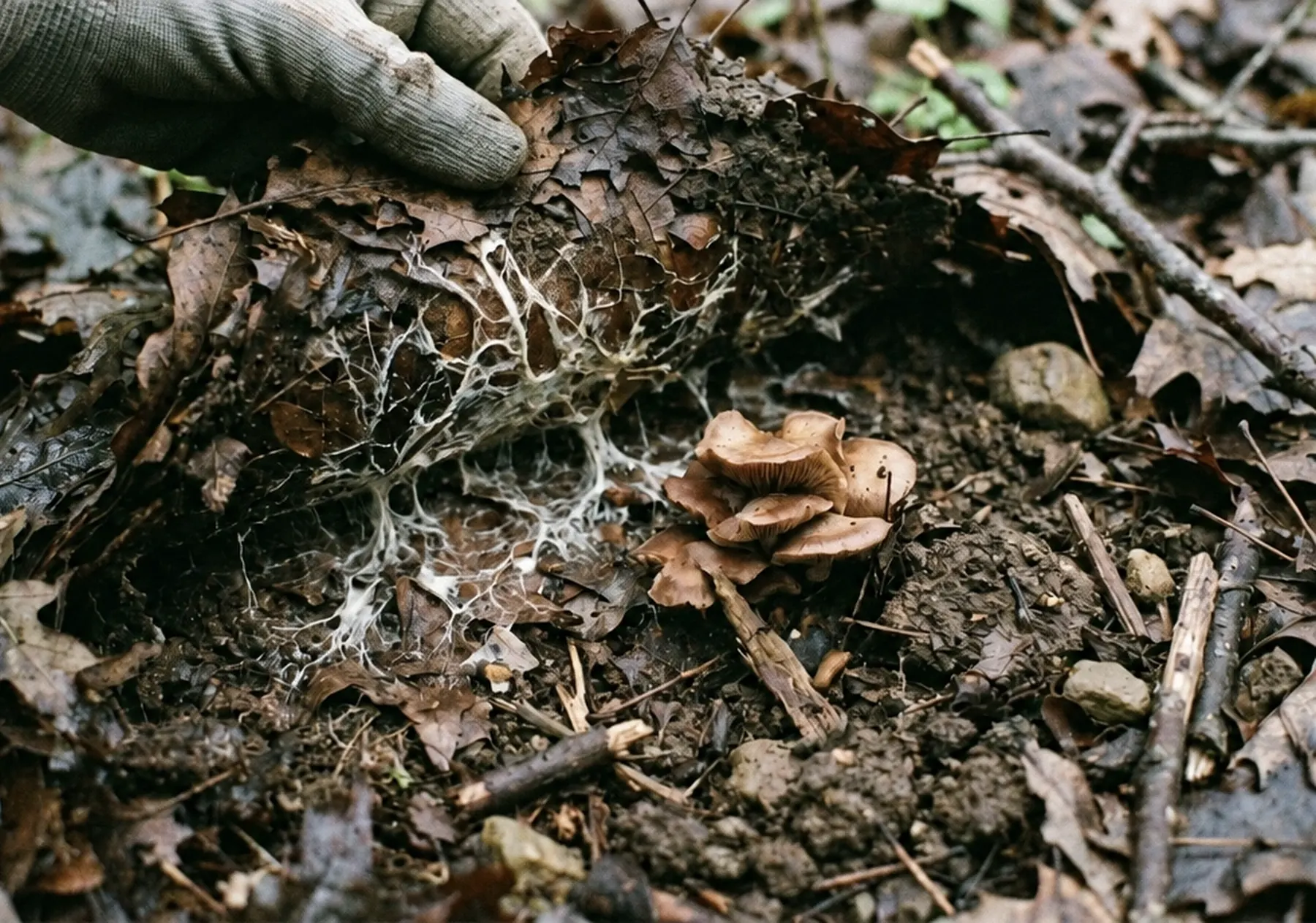
Most functional mushroom tinctures come from one of two sources: the fruiting body or the mycelium. Brands often highlight which they use — Lucetic, for example, exclusively uses fruiting body extract — but most consumers don't really understand the difference.
Fungi are a lot like plants (although they're more closely related to animals). Much like trees, there are both above- and below-ground components. What we call a "mushroom" is the fruiting body, but beneath the surface lies the mycelium, a branching root-like network that is the organism itself.
But which is better for extracts? And what's the difference?
What is the Fruiting Body?
The fruiting body, or mushroom, is the visible part of the fungus. Unlike a tree, it isn't the main part of the organism. Instead, it's a temporary structure that appears periodically to spread spores. It has three main parts:
- Cap — the top part of the mushroom containing the spores
- Gills — the area where the spores are released
- Stem — the connection point between the cap and the mycelium network
Mushrooms come in all shapes and sizes. Some, like the Cordyceps fungus, have a distinct cap-and-stem form; others, like Lion's Mane, grow as shaggy, cascading clusters reminiscent of grated parmesan.
Traditionally, fruiting bodies were harvested for culinary and wellness-related uses. They often contain compounds that develop at maturity. They can also absorb environmental compounds, including heavy metals, depending on growing conditions.
What is Mycelium?
Mycelium is the organism itself: an underground, root-like network that spreads through soil or substrate. Unlike animals, which internalize digestion, fungi release digestive compounds and enzymes into their surroundings, absorbing nutrients and interacting with nearby species. For example, mycelial networks can transmit signals between plants and form symbiotic relationships.
Increasingly, mycelium is the preferred option for commercial mushroom tinctures. Large quantities can be grown on grain or rice substrates, though this often means residual starches remain in the final material.
Why Do Some Companies Use Mycelium-Based Extracts?
Think back to the tree metaphor. Which is more abundant: the wood of a tree or its fruit? Obviously, there's far more wood; fruit is a nutrient-rich structure produced solely for reproduction.
The same is true for fungi.
Most of a fungus’s biomass is found in the mycelial network. It grows quickly, requires fewer resources, and can be harvested more frequently. The trade-off is that it typically contains lower concentrations of the mature compounds found in fruiting bodies. That’s why many companies base their tinctures on mycelium.
Why Do Many People Prefer Fruiting Body Extracts?
Fruiting bodies pack a punch. For centuries, people have harvested fungal fruiting bodies, making teas, culinary dishes, or drying them for their wellness properties. Fruiting body extracts usually contain higher concentrations of the most developed compounds — especially if harvested at maturity.
A big question is how the compounds are extracted. During extraction, the tough cell walls of the mushroom are broken down using heat, solvents, or both to draw out the desired components.
Extraction options include:
- Water extraction involves simmering the mushrooms for several hours.
- Alcohol extraction soaks the fruiting bodies in ethanol.
- Dual extraction simmers the mushrooms in water first, then soaks them in ethanol.
- Non-alcohol extractions use glycerin or a similar solvent instead of ethanol.
How Extraction Methods Shape the Final Tincture
Most compounds are either water- or alcohol-soluble. Choosing either water or alcohol extraction means some beneficial compounds are left in the fruiting body. Even non-alcohol extractions run into the same problem.
Dual extraction is the only method that captures a wider range of compounds. But it relies on the quality of the initial fruiting body. If it were grown on grain and starch, it would be present in the final product. In contrast, if it's grown on a non-grain medium in the right environment, dual extraction will yield the highest purity and consistency.
The Cleanest Way to Use Functional Mushrooms
Lucetic™ provides 100% fruiting body mushroom supplements, using dual-extract for full-spectrum potency to extract all the naturally occurring compounds, including polysaccharides, beta-glucans, triterpenoids, and more.
The best part? None of our fruiting bodies were grown on grain or starch. So, it's suitable for people avoiding gluten or grain-derived products. And there's no mycelium in the final tincture. Just pure, consistent, high-quality fruiting body extract.
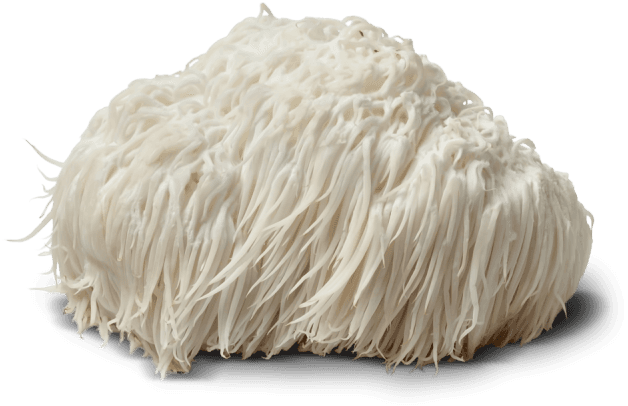
Lion’s Mane
Focus and Clarity
For deep work, busy minds, and days that demand your full attention.
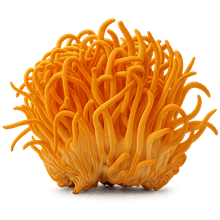
Cordyceps
Energy and Endurance
For early starts, hard training, and days that ask more from your body.
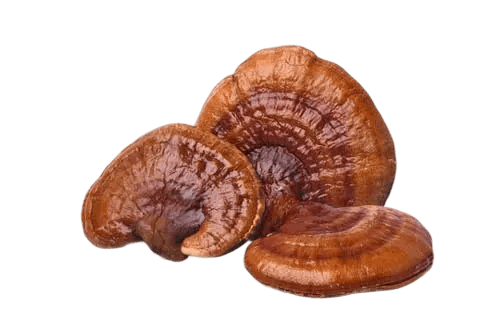
Reishi
Calm and Recovery
For slower evenings, reliable rest, and leaving the day behind.
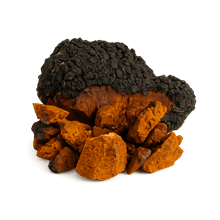
Chaga
Everyday Wellness
For daily antioxidant support that slots neatly into your routine.
References
- Mycelium | Fungal Growth, Hyphae & Spores | Britannica
- What is a mushroom? | The Mycologist
- Beginner's Guide to Functional Mushrooms | Spruce Eats
- Understanding Medicinal Mushroom Extraction | World Mushroom Society