But we understand the confusion. Just hearing the terms “functional mushrooms” gives some people images of their psychedelic counterparts. Unless you’re cooking culinary mushrooms, people can be wary of what is and isn’t legal.
Thankfully, that’s starting to change. Below, we cover what counts as functional, legal status in the US and other countries, and the rules around supplements, selling, and safety.
What Counts as a Functional Mushroom?
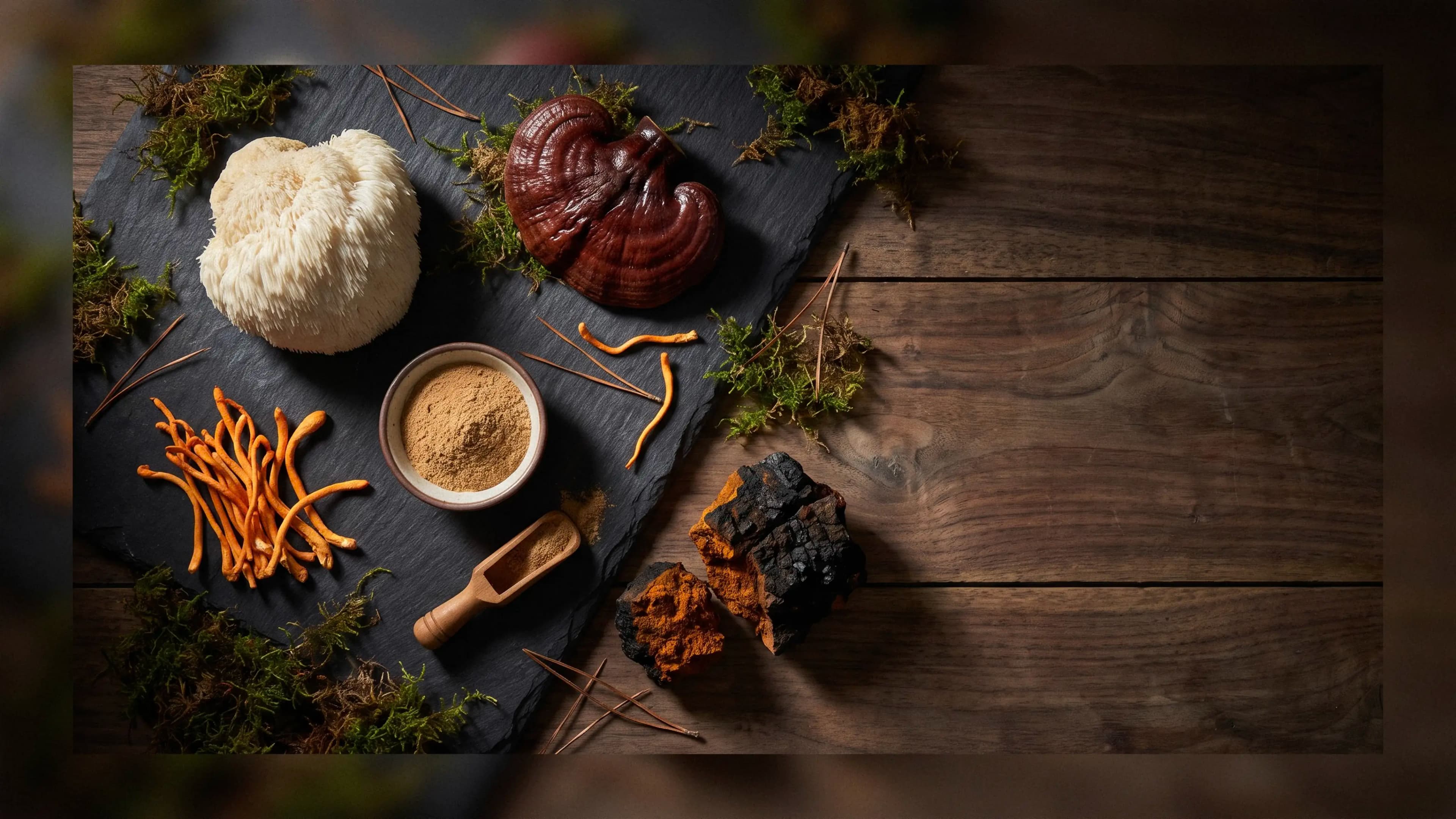
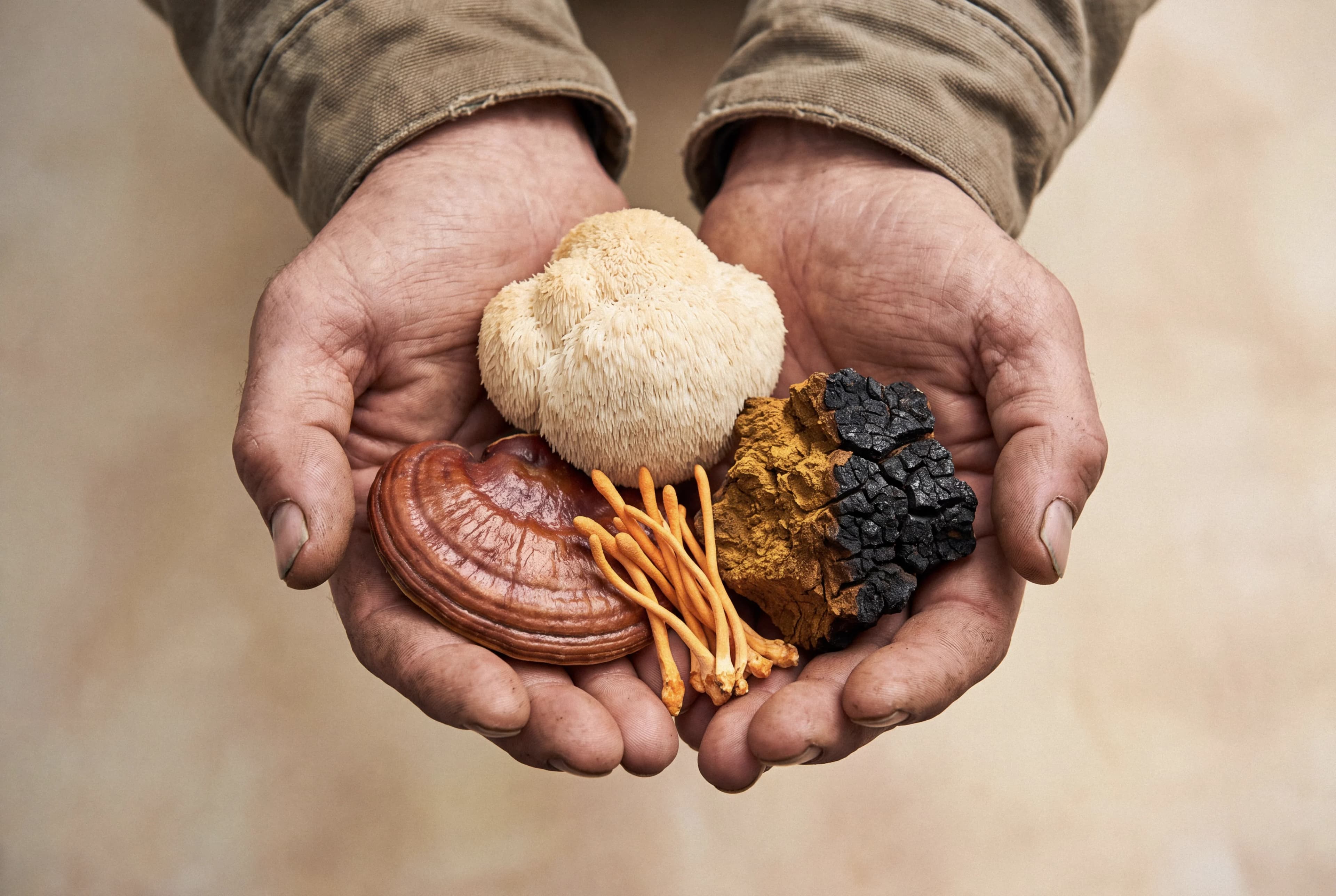
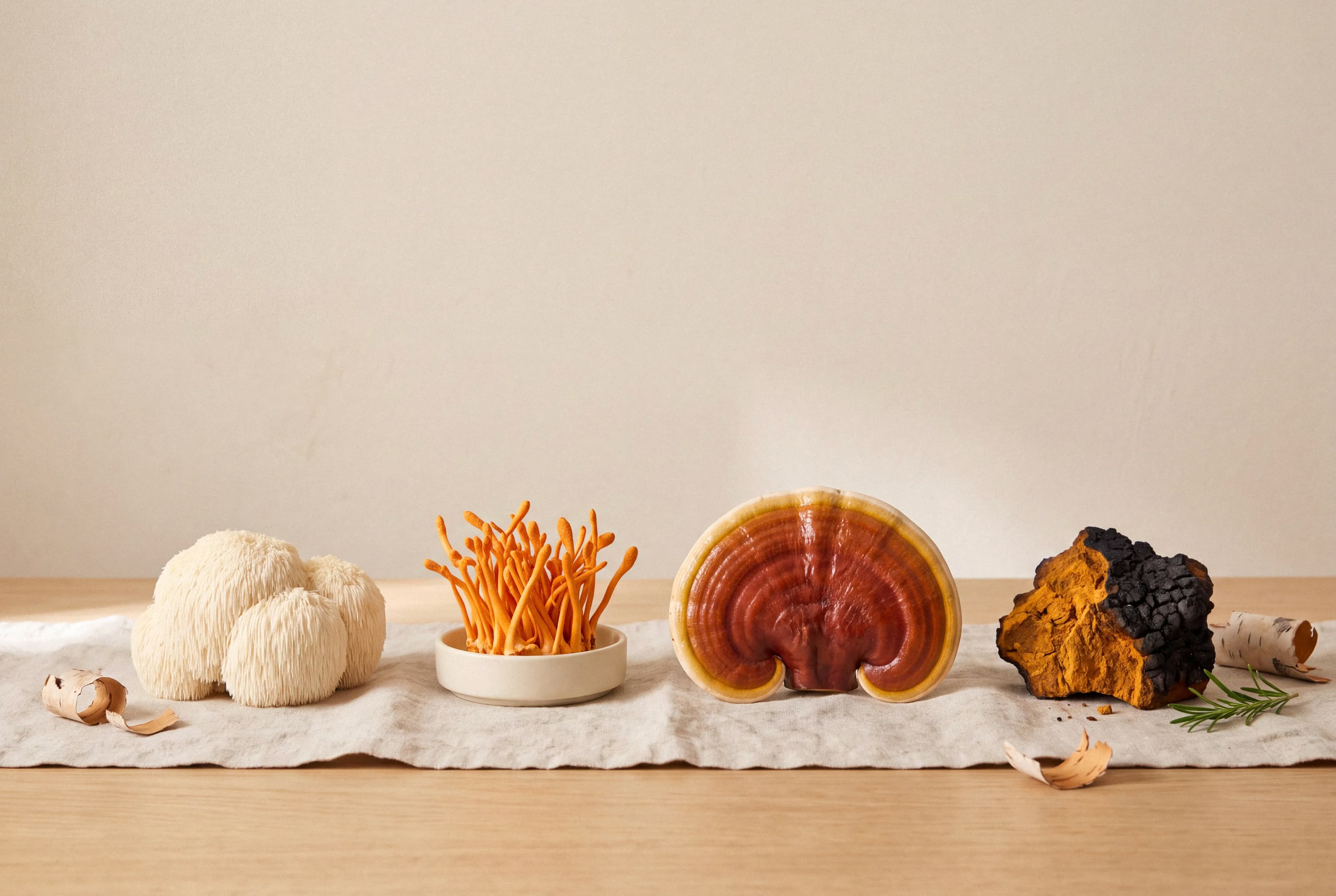
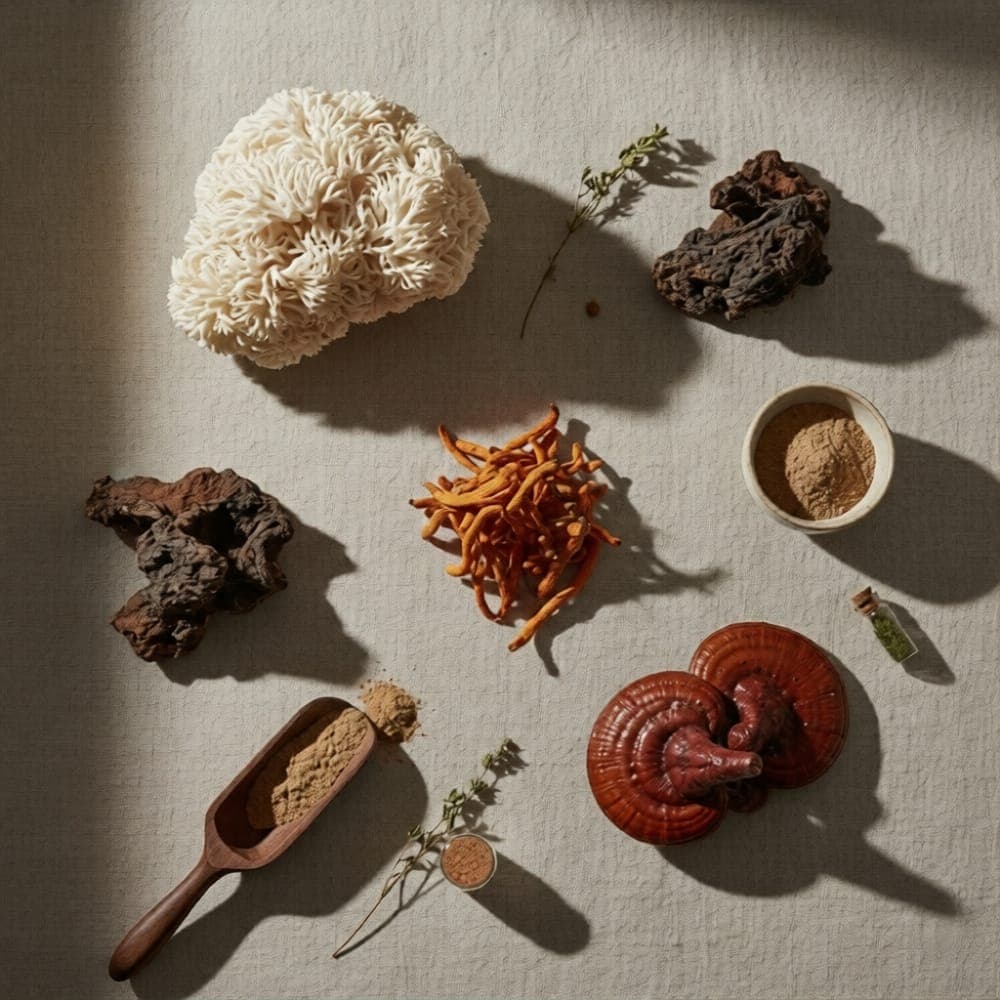
A “functional mushroom” is any non-psychedelic mushroom consumed for its health benefits. Common examples include lion’s mane, reishi, chaga, cordyceps, shiitake, and maitake. There’s some overlap with culinary mushrooms — for example, lion’s mane is used for its lobster-like flavor, and shiitake mushrooms are a popular ingredient.
The big difference with psychedelic mushrooms is the presence of psilocybin. This compound is “psychoactive” and is responsible for the hallucinations and altered consciousness. While functional mushrooms contain compounds that can support brain functioning, they do not change your conscious state.
Are Functional Mushrooms Legal?
Yes — so long as they don’t contain psilocybin, functional mushrooms are legal in most countries.
They shouldn’t be grouped together, as they’re treated like herbal supplements or food products. As such, they’re subject to some regulations.
In the United States, functional mushrooms (including extracts and supplements) are regulated as dietary supplements under DSHEA. A company doesn’t need FDA approval before selling them. However, the manufacturer is responsible for ensuring the product is safe and can’t claim it cures or treats diseases without evidence.
The FDA does provide some overview. Each supplement must have an accurate ingredients list, follow Good Manufacturing Practice (GMP), not contain harmful contaminants, and include any required warnings.
The same is true throughout much of the world, including the UK and EU where they’re treated like food supplements. The precise rules on supplement claims, extraction methods, and importation vary between countries.
Are There Any Restrictions?
Functional mushrooms are legal, but there are still a few rules to be aware of. These include:
- Health claims are restricted — brands must follow local rules about what they can and can’t say about benefits.
- Import and export laws vary — some countries have tighter controls on supplement ingredients coming in or out.
- Wild harvesting can be limited — certain regions protect native fungi, so only cultivated mushrooms are allowed for sale.
- Mislabeled products are illegal — anything falsely marketed as functional but containing (or implying it contains) psilocybin falls under controlled-substance laws.
Safety, Quality, and What to Look For
Just because functional mushrooms are legal doesn’t mean all supplements are the same. Like any herbal supplement, quality varies immensely.
Too often, mushroom supplements are made from poor-quality mushrooms, grain-based, and packed with fillers.
Look for:
- Fruiting body extracts — the most potent part of the fungi.
- Clear extraction method — dual-extraction is the gold standard.
- No fillers — especially anything you can’t identify easily.
- Third-party testing — for reliability.
Lucetic is careful to always follow US rules and regulations. Our products go above and beyond to deliver high-quality mushroom extracts: USA-grown, dual extraction, no fillers, gluten-free, and 3rd party tested. And everything is made exclusively from 100% fruiting body mushrooms.
The only additional ingredients you’ll find in our extract are apple cider vinegar and wildflower honey for a soothing yet refreshing taste.
FAQs About Legality
Are functional mushrooms allowed when traveling?
Yes — functional mushroom supplements are generally fine to travel with, as long as they’re legal in your destination and correctly labeled. Avoid traveling with packages of unlabeled mushrooms.
Can you drive after taking them?
Yes — functional mushrooms are non-psychoactive, so they won’t impair your ability to drive. In fact, it can take days or weeks for the effects to fully kick in, not a matter of hours.
Are they legal for children?
They’re legal. However, mushroom supplements aren’t recommended for children as there is little research surrounding their effects. If you want to try, speak to a healthcare professional.
Can you grow functional mushrooms at home?
Yes — in most countries, you can grow non-psychedelic mushrooms at home without any legal issues. The problem? Just eating the mushrooms won’t give you the full benefits. It’s best to trust a high-quality extract.
Yes, Functional Mushrooms Are Legal — But Quality Matters
If you’re thinking about trying functional mushrooms, the real difference isn’t the law.
It’s the quality.
Lucetic focuses on proper extraction, clean ingredients, and 100% fruiting-body mushrooms, so you know exactly what you’re taking. No fillers, no guesswork, just well-made extracts you can trust.
Explore Lucetic’s functional mushroom range.