A lot of the confusion comes about due to the reported effects on cognitive, memory, and wellness marketing. When you talk about "neurogrowth" or "neuromodulation," it's not hard to see how people get the wrong idea.
Below, we're clarifying the matter, explaining what lion's mane actually does, why it's not psychoactive, how it differs from psilocybin mushrooms, and what actual effects you can realistically expect.
So… Is Lion's Mane a Psychedelic Mushroom?
No. Lion's mane is not psychedelic and contains zero psilocybin.
Almost all psychoactive mushrooms contain psilocybin, the active ingredient. It's responsible for the hallucinations, altered perception, and changes in consciousness.
Lion's mane doesn't contain this compound. That's why it's legal in the US (and throughout the Western world). In fact, it's treated as a foodstuff or supplement. You may see lion's mane added to psilocybin products, fueling the confusion — especially when the terms "neurotrophic" and "psychedelic" are thrown around. But there's a real difference. Lucetic mushroom extract never contains psilocybin.
That being said, lion's mane does appear to impact the brain. A growing number of small-scale studies indicate effects on memory, cognitive, and neuron protection and growth. Some early research explores potential applications in conditions such as Alzheimer’s disease, but evidence in humans is limited and not conclusive.
How Does Lion's Mane Actually Affect the Brain?
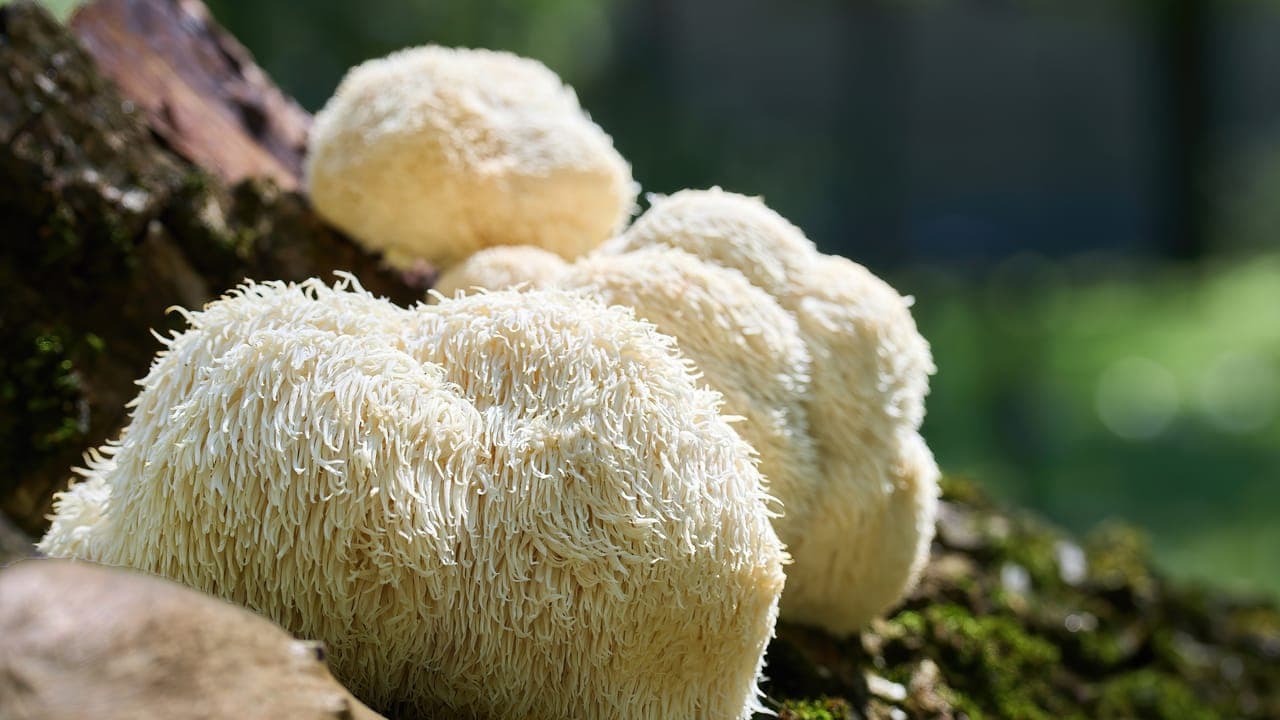
Lion's mane mushrooms (Hericium erinaceus) contain two main neurotrophic compounds:
- Hericenones — found in the fruiting body, these compounds are linked to memory, focus, and overall brain support.
- Erinacines — mainly present in the mycelium, they're believed to help support the nervous system and long-term cognitive health.
Hericenones promote nerve growth factor (NGF), which supports neuron growth and development. NGF may even protect neurons from damage and degeneration, potentially explaining why lion's mane might be protective in Alzheimer's disease and Parkinson's disease.
These effects are not instantaneous.
Unlike psychedelic effects, which hit in a matter of minutes or hours, neurotrophic effects work gradually over days or weeks. People may notice slightly sharper mental clarity, focus, and memory. There are no visual distortions, euphoria, or ego dissolution. It's more about enhancing your mental faculties, not dissolving them.
Lion's Mane vs Psychedelic Mushrooms: What's the Difference?
| Psychedelic Mushrooms (Psilocybin) | Lion's Mane Mushrooms |
|---|---|
| Psychoactive; alters perception | Non-psychoactive |
| Illegal in most countries | Legal in the US, UK, EU, and many regions |
| Creates short-term, intense effects | Offers slow, subtle cognitive support |
| Used in therapeutic research | Works like a nutritional supplement |
What You Can Feel From Lion's Mane
So, if lion's mane isn't a "trip," what can you feel? The jury is still out on the scientific front. Further research is needed to confirm the cognitive effects. Early studies indicate improved cognitive scores in people with mild Alzheimer's disease compared to a placebo and reduced feelings of irritation and anxiety.
Anecdotally, people often report:
- Clearer focus
- Better recall and memory
- Reduced brain fog
- Subtle mood support
Some people even talk about possible sleep improvements, including deeper, more restorative sleep. These effects are all gradual, subtle, and become more prominent over time. And if you stop taking lion's mane, they will disappear within a few months.
People choose to take lion's mane for cognitive support. That might be to aid with study/work focus, stress resilience, and long-term brain health (due to its potential neuroprotective effects).
Others may try it due to some evidence that it can support nervous system recovery or its beneficial gut health effects through polysaccharides.
Are There Any Side Effects?
Most people don't experience any side effects with lion's mane. No human studies have examined the side effects of lion's mane or its extracts. Animal studies saw no adverse effects in rats taking 5 grams per kg of body weight. To put that in perspective, a 75 kg person would have to eat 375 grams of mushrooms — quite a lot!
People with mushroom allergies should avoid lion's mane. They're also not recommended for women who are pregnant or breastfeeding without speaking to a doctor.
A Brain-Supporting Mushroom, Not a Psychedelic
Lion's mane isn't a magic mushroom. It's not psychedelic. It contains no psilocybin.
But that doesn't mean it has no brain-related effects. The current evidence indicates subtle, long-term effects helping with focus, clarity, and general cognitive health without affecting your consciousness (though further evidence is needed to confirm these findings).
If you're curious to try it, choose an extract made properly. Lucetic uses dual extraction and 100% fruiting bodies to make sure you're getting the real, active compounds: nothing more, nothing less.