Oxidative stress sounds like your cells are slowly rusting from the inside out. There is some truth in that comparison, although the reality is less dramatic and considerably more complicated.
Oxidation happens constantly. It can damage cells when it escapes control, but reactive oxygen species also help with immune defense, cell signaling, and the adaptations that follow exercise. Eliminating every free radical would therefore be neither possible nor desirable.
The aim is balance. That means reducing avoidable sources of oxidative stress while supporting the antioxidant systems your body already has, rather than attempting to flood it with the largest supplement dose you can find.
What Is Oxidative Stress?
The body continually produces reactive oxygen species, often grouped under the term "free radicals." They are created during ordinary metabolism and in response to exercise, infection, pollution, and several other exposures.
In controlled amounts, these molecules are useful. They help cells communicate, support immune defense, and contribute to the signaling that allows the body to adapt to training.
Problems begin when oxidant production exceeds the body's ability to control it. The NCBI defines oxidative stress as a shift in the balance between oxidants and antioxidants that can damage fats, proteins, and DNA. Antioxidant enzymes made by the body and compounds obtained from food help keep this process under control.
Oxidative stress is different from psychological stress. Chronic emotional stress may contribute indirectly by disrupting sleep, increasing inflammation, or changing how you eat, drink, and smoke, but the two terms do not describe the same thing.
What Causes Oxidative Stress?
Oxidative stress usually reflects several influences rather than one disastrous meal or bad night's sleep. Some oxidants arise through normal metabolism, while others are produced or increased by external exposures and illness.
Common contributors include:
- Smoking. Tobacco smoke introduces oxidants directly and promotes inflammation.
- Air pollution. Fine particles and reactive chemicals can increase oxidative processes in the lungs and elsewhere in the body.
- Heavy alcohol intake. Breaking down alcohol creates reactive compounds and increases the liver's workload.
- A poor diet. A limited diet may provide fewer nutrients and plant compounds used by antioxidant systems.
- Inadequate sleep. Repeated sleep loss disrupts immune and metabolic regulation.
- Illness and inflammation. The immune response deliberately generates reactive oxygen species, which can become damaging when inflammation is prolonged.
- Excessive training. Hard exercise increases oxidant production, particularly when training repeatedly outpaces recovery.
- UV radiation. Sunlight generates reactive oxygen species within the skin.
None of these exposures proves that someone has clinically significant oxidative damage. They simply influence the balance, often alongside age, genetics, health, and the body's existing defences.
How to Reduce Oxidative Stress Naturally
There is no cleanse that pulls free radicals from the bloodstream. Focus first on removing avoidable sources and helping the body regulate what remains.
The largest benefit usually comes from correcting the largest problem. A colorful breakfast will not cancel out a pack of cigarettes, and a supplement cannot make chronic sleep deprivation harmless.
- Stop smoking. Removing a major source of oxidants will achieve more than adding any berry, vitamin, or mushroom supplement. If stopping at once feels unmanageable, professional cessation support is still a far more useful investment than another antioxidant product.
- Eat a varied diet. Plants provide vitamins, minerals, carotenoids, polyphenols, and fiber that work together. Variety matters because different foods supply different compounds rather than one universal antioxidant.
- Exercise regularly. Exercise temporarily increases reactive oxygen species, but this helps trigger useful adaptations. Regular training strengthens the body's own antioxidant defenses, provided the dose of exercise is appropriate.
- Leave room for recovery. Combine difficult sessions with enough food, sleep, and easier days. Training harder is not automatically healthier when the body never receives the opportunity to adapt.
- Sleep properly. Keep a reasonably consistent schedule rather than relying on one enormous weekend lie-in. sleep-in supports immune and metabolic regulation as well as the behaviors that make a healthy routine easier to maintain.
- Limit alcohol. Reducing both the amount and frequency gives the liver less alcohol and acetaldehyde to process. The benefit comes from drinking less, not from attempting to neutralize alcohol afterward.
- Reduce avoidable exposure. Check local air quality, avoid running beside heavy traffic where practical, ventilate indoor spaces, and protect your skin from excessive sun exposure.
Which Foods Help Reduce Oxidative Stress?
There is no single best antioxidant food. Different foods contain different compounds, which is why variety matters more than chasing whichever superfood currently has the best publicist.
Useful choices include:
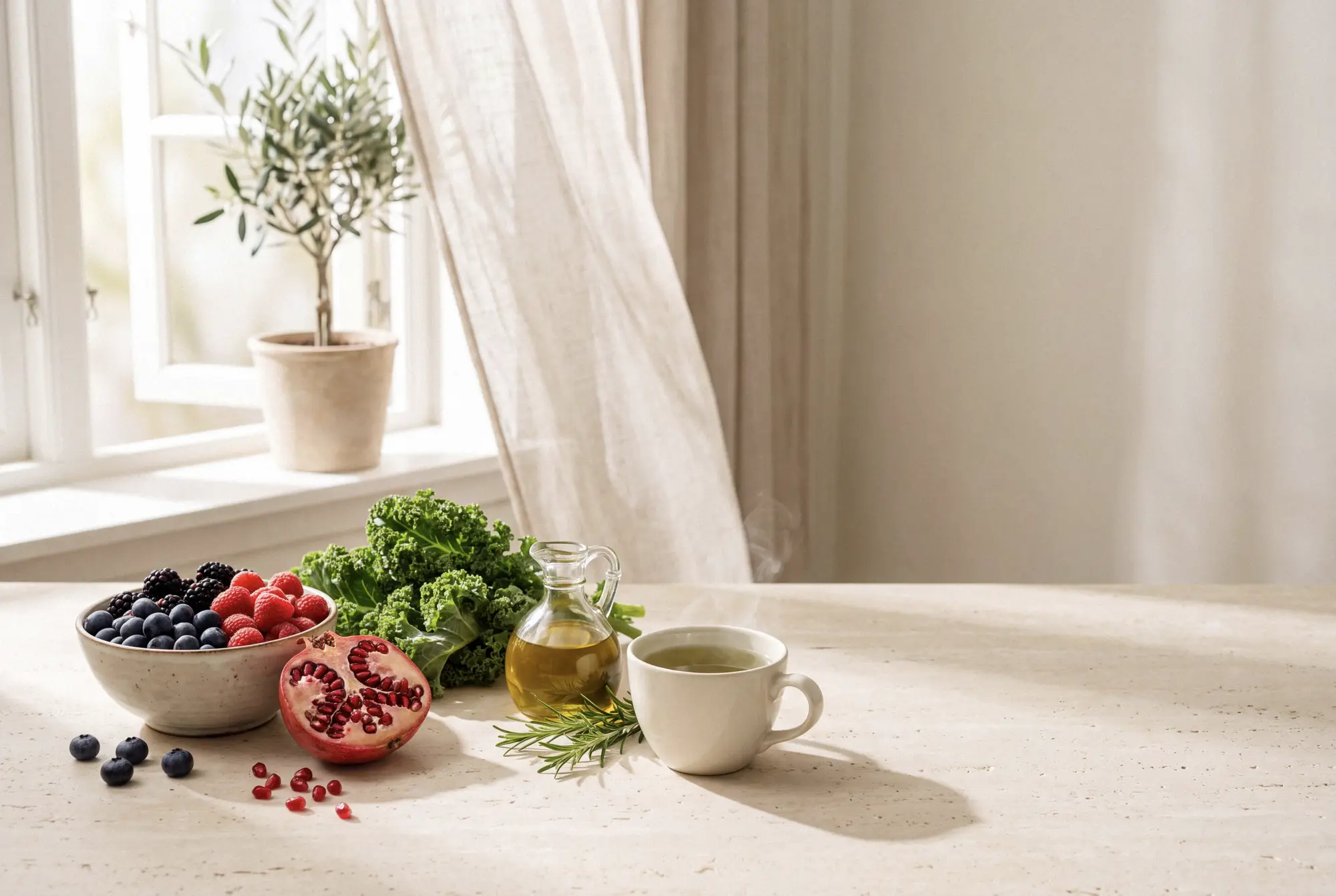
- Berries and brightly colored fruit
- Leafy green and cruciferous vegetables
- Beans and lentils
- Nuts and seeds
- Whole grains
- Olive oil
- Herbs and spices
- Tea, coffee, and cacao in sensible amounts
These foods provide antioxidants alongside fiber and hundreds of other compounds. They also replace some of the heavily processed foods that can crowd a varied diet, so their value cannot be reduced to one laboratory antioxidant score.
Aim for a broad pattern rather than a perfect menu. Eating several colors of fruit and vegetables, rotating protein and whole-grain sources, and using herbs and spices regularly is more realistic than relying on an exotic ingredient once a month.
Do Antioxidant Supplements Work?
The logic seems straightforward: if too many oxidants are the problem, taking more antioxidants should be the solution. Biology is rarely so accommodating.
Reactive oxygen species also function as signals. During exercise, they help initiate adaptations to training. High-dose vitamin C and E may interfere with parts of this response, although findings are inconsistent and depend on the dose, population, and outcome being measured.
Large trials have also failed to show that general antioxidant supplementation improves health. A Cochrane review found no preventive benefit, while beta-carotene and vitamin E were associated with slightly increased mortality in some analyses.
This does not mean all supplements are dangerous or useless. They can be valuable for a diagnosed deficiency or specific medical indication. Routine megadosing is another matter, particularly when it distracts from smoking, alcohol, diet, sleep, or another much larger source of risk.
Can Chaga Help With Oxidative Stress?
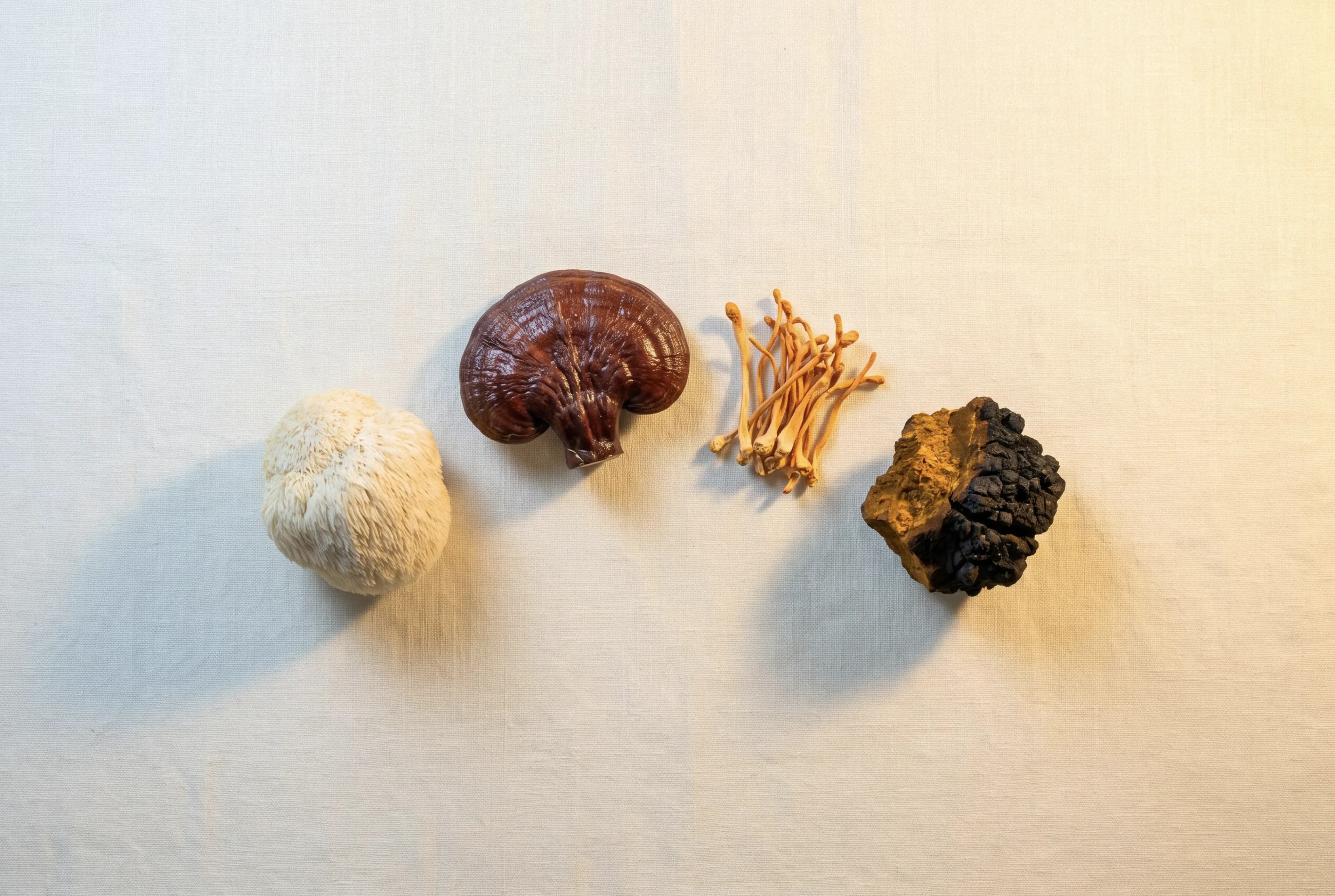
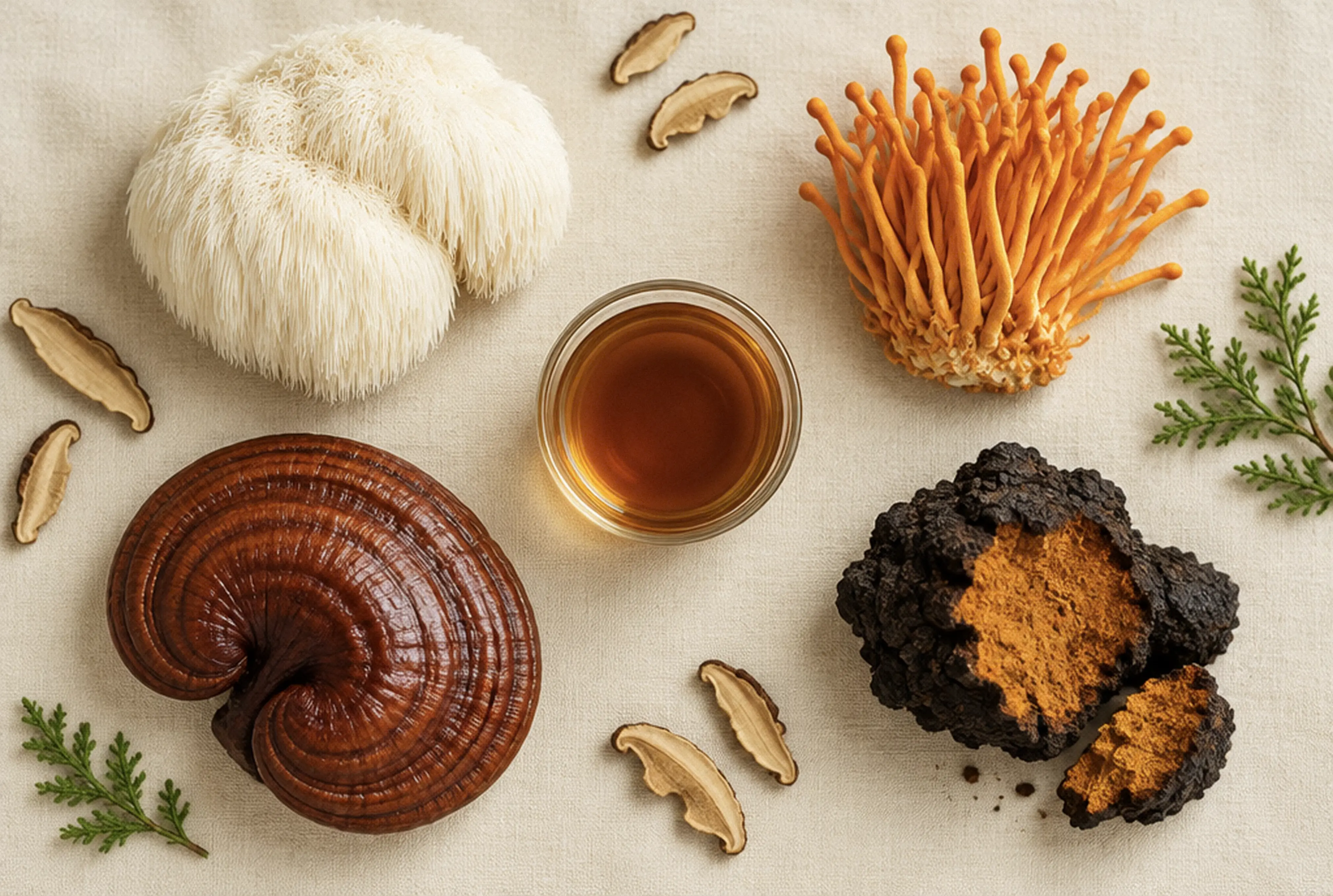
Chaga is the functional mushroom most closely associated with antioxidant support. It contains polyphenols, melanin, and several other bioactive compounds, although the amount and composition vary between preparations.
Laboratory studies have found that certain Chaga extracts can scavenge free radicals and protect cultured cells. That demonstrates biological activity in a laboratory. It does not yet tell us whether Chaga meaningfully reduces oxidative damage or prevents disease in humans.
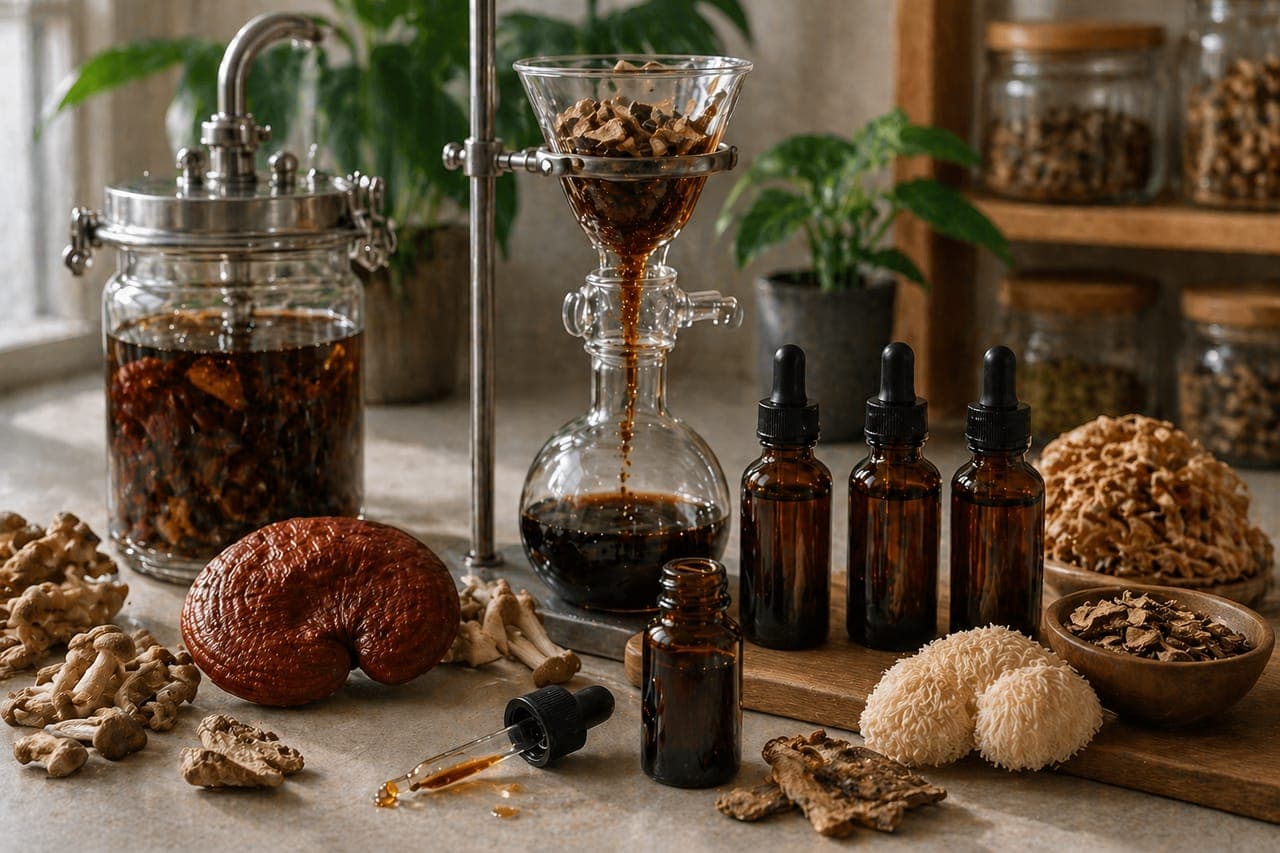
Preparation also matters. Different compounds respond to water and alcohol, so the mushroom extraction process affects what reaches the final product. The same principle applies to the wider antioxidant benefits of mushroom tinctures: the finished extract matters more than the reputation of the raw ingredient.
Chaga contains high levels of oxalate. Case reports have linked large quantities of Chaga powder with oxalate-related kidney injury. Seek medical advice before using it if you have kidney disease, a history of oxalate stones, are pregnant or breastfeeding, or take medication for blood clotting or blood sugar.
Reduce the Cause Before Adding the Antioxidant
Quitting cigarettes, reducing heavy drinking, sleeping properly, and eating more plants will achieve more than adding an antioxidant to an unhealthy routine. These changes are less exciting than a new extract, but they act on the causes rather than the label attached to them.
Chaga may provide some additional support, although the human evidence remains limited. It should be treated as an addition rather than an antidote, and it should never be used to delay appropriate medical care.
Explore Lucetic's Chaga Extract for convenient daily antioxidant support made using dual extraction, transparent ingredients, and independent testing.
The best approach is not to wage war on oxidation. It is to remove the largest avoidable sources, eat and recover properly, and leave the body's own antioxidant systems room to do their work.
References
-
National Center for Biotechnology Information. Oxidative Stress. MedGen. Concept ID: C0242606.
-
Gomez-Cabrera MC, Salvador-Pascual A, Cabo H, Ferrando B, Viña J. Redox modulation of mitochondriogenesis in exercise: Does antioxidant supplementation blunt the benefits of exercise training? Free Radical Biology and Medicine. 2015;86:37–46. doi:10.1016/j.freeradbiomed.2015.04.006.
-
Bjelakovic G, Nikolova D, Gluud LL, Simonetti RG, Gluud C. Antioxidant supplements for prevention of mortality in healthy participants and patients with various diseases. Cochrane Database of Systematic Reviews. 2012;(3):CD007176. doi:10.1002/14651858.CD007176.pub2.
-
Cui Y, Kim DS, Park KC. Antioxidant effect of Inonotus obliquus. Journal of Ethnopharmacology. 2005;96(1–2):79–85. doi:10.1016/j.jep.2004.08.037.
-
Kikuchi Y, Seta K, Ogawa Y, Takayama T, Nagata M, Taguchi T, Yahata K. Chaga mushroom-induced oxalate nephropathy. Clinical Nephrology. 2014;81(6):440–444. doi:10.5414/CN107655.