Few supplements come with a stranger story or a more complicated body of evidence than Cordyceps. Human trials have reported improvements in certain measures of endurance and recovery, while others have found no benefit. The evidence is promising in places, but the species, preparation, dosage, and person taking it all appear to matter.
Cordyceps has two very different reputations. In nature, it is the so-called "zombie fungus" that infects insects and uses their bodies to reproduce. In supplement form, it is sold as a natural way to increase energy and push harder during exercise.
The first claim is indisputably true. The second is more complicated.
What Is Cordyceps?
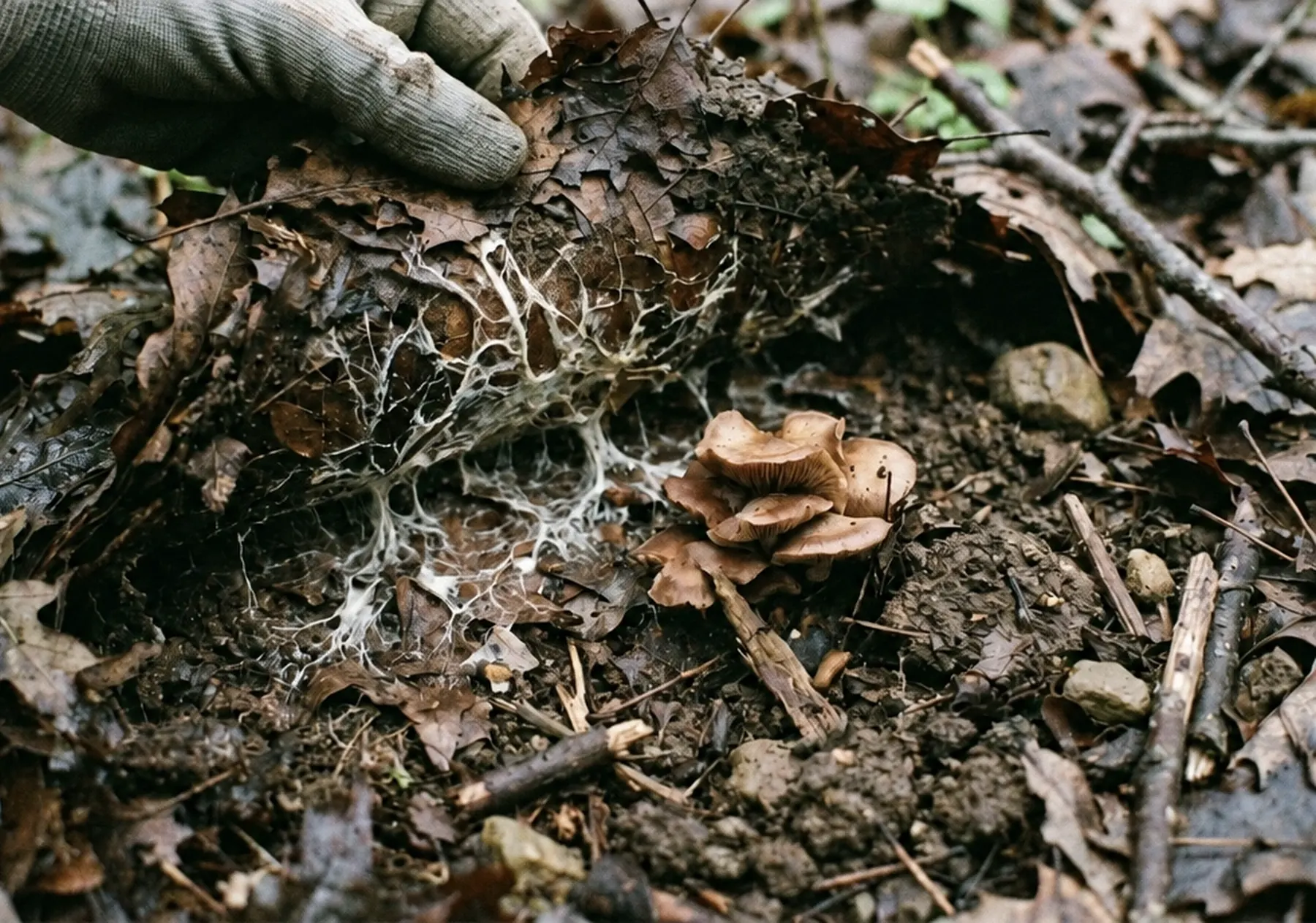
Cordyceps is not a single mushroom. It is a large group of parasitic fungi, many of which specialize in infecting a particular insect or other small organism.
That might not sound like something you would want in your morning routine. However, several Cordyceps species contain potentially useful compounds, including polysaccharides, ergothioneine, adenosine, and cordycepin.
Cordycepin is structurally similar to adenosine, a molecule involved in cellular energy and signaling. Laboratory research suggests that Cordyceps compounds may influence energy metabolism, oxidative stress, inflammation, and immune activity.
The key word there is may. A mechanism observed in a cell or animal does not establish that taking Cordyceps will noticeably improve your energy.
Cordyceps Militaris vs Cordyceps Sinensis
Most Cordyceps supplements use one of two related fungi.
-
Ophiocordyceps sinensis is the rare caterpillar fungus found on the Tibetan Plateau. Formerly called Cordyceps sinensis, wild specimens are scarce and extremely expensive. Most supplements instead use cultured mycelium, including preparations such as Cs-4.
-
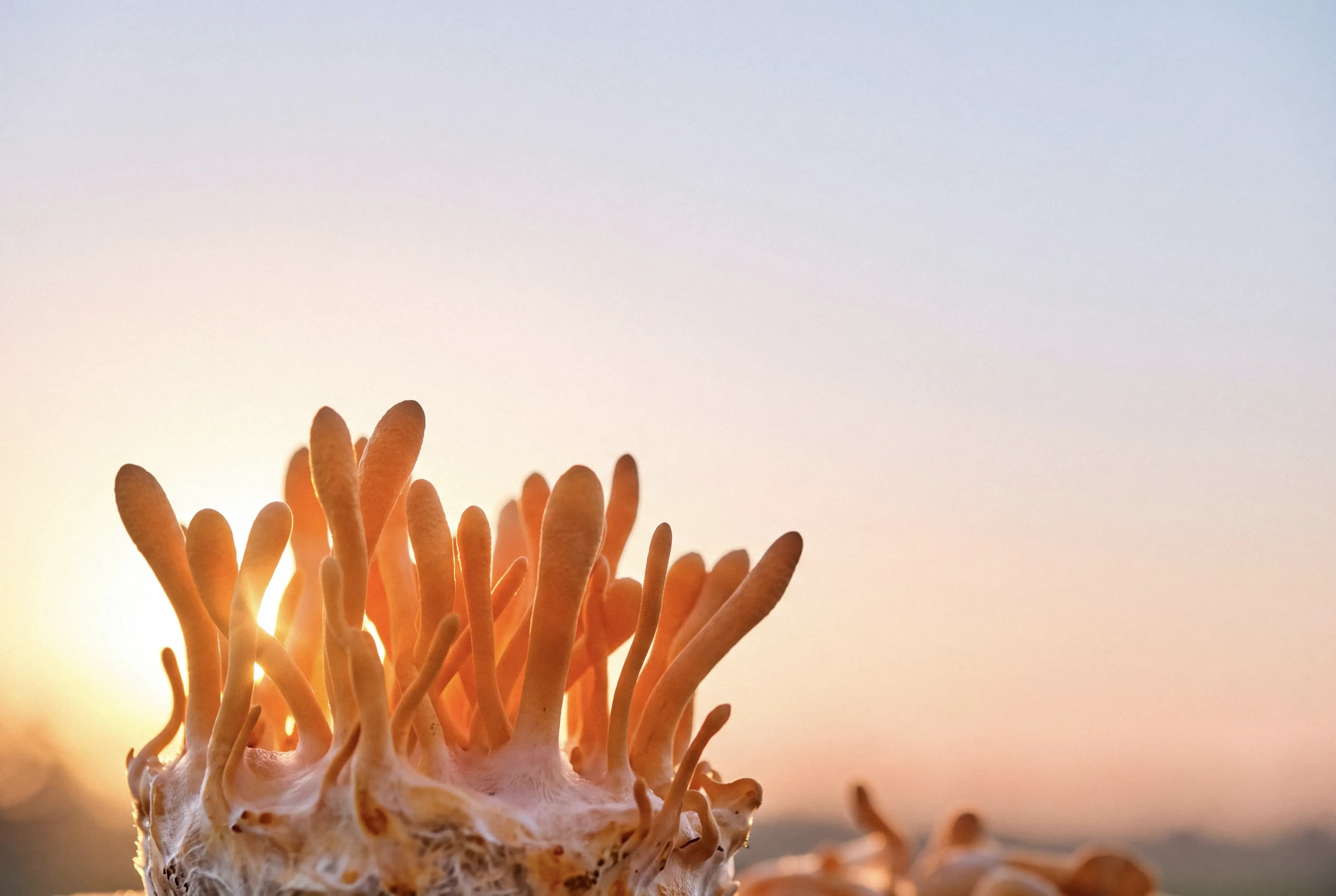
Cordyceps militaris is the bright-orange species commonly found in modern extracts. It can be cultivated more reliably as a fruiting body and generally contains measurable cordycepin.
The distinction matters. Research involving cultured O. sinensis mycelium cannot automatically be applied to a C. militaris fruiting-body tincture, or vice versa. The differences between the fruiting body and mycelium add another layer of variation.
What Are the Main Benefits of Cordyceps?
Cordyceps May Support Energy and Reduce Fatigue
Cordyceps is often described as a natural energy supplement. That is slightly misleading. It does not contain caffeine and should not produce a sudden buzz. Its proposed effects are closer to helping the body use oxygen and energy more efficiently, potentially allowing you to sustain activity for longer before fatigue sets in.
Most direct anti-fatigue evidence still comes from animal studies. Human trials usually measure exercise capacity rather than ordinary daytime tiredness. That means we cannot confidently say Cordyceps will fix an afternoon slump, although some users report steadier, non-stimulating energy.
The same distinction applies more broadly when asking whether functional mushrooms give you energy. They are not a replacement for sleep, food, or caffeine. Any effects are likely to be subtler.
Cordyceps May Improve Exercise Performance
Exercise performance is where most of the human Cordyceps research has concentrated. Unfortunately, the results do not point in one direction.
-
Cordyceps improved two measures associated with exercise tolerance in older adults. In a small trial, 12 weeks of Cs-4 increased metabolic and ventilatory thresholds, although it did not improve VO2 max.
-
The same Cs-4 preparation produced no benefit in trained cyclists. Taking 3 g daily for five weeks did not improve VO2 peak, ventilatory threshold, or endurance performance.
-
A mushroom blend containing Cordyceps militaris improved VO2 max after three weeks. However, the product contained several mushroom species, and only a small number of participants completed the longer part of the study.
A 2026 review identified five human intervention studies of C. militaris, involving 321 participants. Some reported improvements in oxygen uptake, time to exhaustion, or power output. Others did not. The reviewers concluded that the evidence was limited by small samples, inconsistent preparations, and the use of multi-ingredient products.
In short, Cordyceps may help some people sustain intense exercise. It is not a reliably proven performance enhancer.
Cordyceps May Support Exercise Recovery
Cordyceps may also influence what happens after exercise. Its antioxidant and anti-inflammatory compounds could theoretically limit some of the muscle stress caused by hard training.
A small trial followed 22 long-distance runners taking C. militaris mycelium extract or a placebo for 16 weeks. The Cordyceps group had lower creatine kinase levels, a possible marker of reduced muscle damage. There were also changes in ferritin, hemoglobin, and hematocrit.
That is encouraging, but it was a small, commercially supported study. We need larger trials before claiming Cordyceps noticeably speeds up recovery.
Other Cordyceps Benefits Are Less Certain
Cordyceps is also promoted for immune health, blood sugar, heart health, sexual function, and healthy aging.
A small human trial found that a fermented C. militaris beverage changed certain immune markers, including natural killer cell activity. That does not prove that users will experience fewer infections.
Most of the remaining claims come from cell and animal research. They are possible areas for further study, not established Cordyceps benefits.
How Much Cordyceps Should You Take?
There is no standard Cordyceps dosage.
Human studies have used between approximately 1 and 12 g per day, but those doses included raw mushrooms, mycelium, extracts, and multi-mushroom blends. You cannot directly convert them into a dose for a concentrated tincture.
Follow the instructions for the specific product. For Lucetic's Cordyceps extract, the recommended serving is 1-2 drops.
Morning or before exercise is the most sensible time. Most positive studies lasted at least three weeks, so consistency probably matters more than exact timing. As with other extracts, how long a mushroom takes to work can vary considerably.
Is Cordyceps Safe?
Cordyceps appears to be well tolerated by most adults. Reported side effects include abdominal discomfort, diarrhea, nausea, dry mouth, reduced appetite, and rash. Serious reactions have been uncommon in clinical trials.
Speak to a healthcare professional before taking Cordyceps if you use blood thinners, antiplatelet medication, or glucose-lowering drugs. Caution is also sensible during pregnancy, breastfeeding, before surgery, or when managing an immune-related condition.
Are Cordyceps Benefits Worth Exploring?
Cordyceps has more human exercise research behind it than many functional mushrooms. The findings remain mixed, but there are credible signs that it may support endurance, fatigue resistance, and recovery after consistent use.
The important thing is choosing the right species and a properly made extract. Lucetic uses US-grown Cordyceps militaris fruiting bodies, dual extraction, a 10:1 concentration, and independent batch testing.
Explore Lucetic Cordyceps Extract
Non-stimulating support during exercise and busy days.
References
-
Chen S, Li Z, Krochmal R, et al. Effect of Cs-4 (Cordyceps sinensis) on exercise performance in healthy older subjects: a double-blind, placebo-controlled trial. Journal of Alternative and Complementary Medicine. 2010;16(5):585–590.
-
Parcell AC, Smith JM, Schulthies SS, et al. Cordyceps sinensis (CordyMax Cs-4) supplementation does not improve endurance exercise performance. International Journal of Sport Nutrition and Exercise Metabolism. 2004;14(2):236–242.
-
Hirsch KR, Smith-Ryan AE, Roelofs EJ, et al. Cordyceps militaris improves tolerance to high-intensity exercise after acute and chronic supplementation. Journal of Dietary Supplements. 2017;14(1):42–53.
-
Jędrejko M, Jędrejko K, Granda D, et al. Current evidence of ergogenic and post-exercise recovery effects of dietary supplementation with Cordyceps militaris in humans: a narrative review. Nutrients. 2026;18(5):781.
-
Nakamura A, Shinozaki E, Suzuki Y, et al. Effect of the administration of Cordyceps militaris mycelium extract on blood markers for anemia in long-distance runners. Nutrients. 2024;16(12):1835.
-
Ontawong A, Pengnet S, Thim-Uam A, et al. A randomized controlled clinical trial examining the effects of Cordyceps militaris beverage on the immune response in healthy adults. Scientific Reports. 2024;14:7994.
-
National Institute of Diabetes and Digestive and Kidney Diseases. Cordyceps. LiverTox: Clinical and Research Information on Drug-Induced Liver Injury. Updated 2025.
-
Memorial Sloan Kettering Cancer Center. Cordyceps.